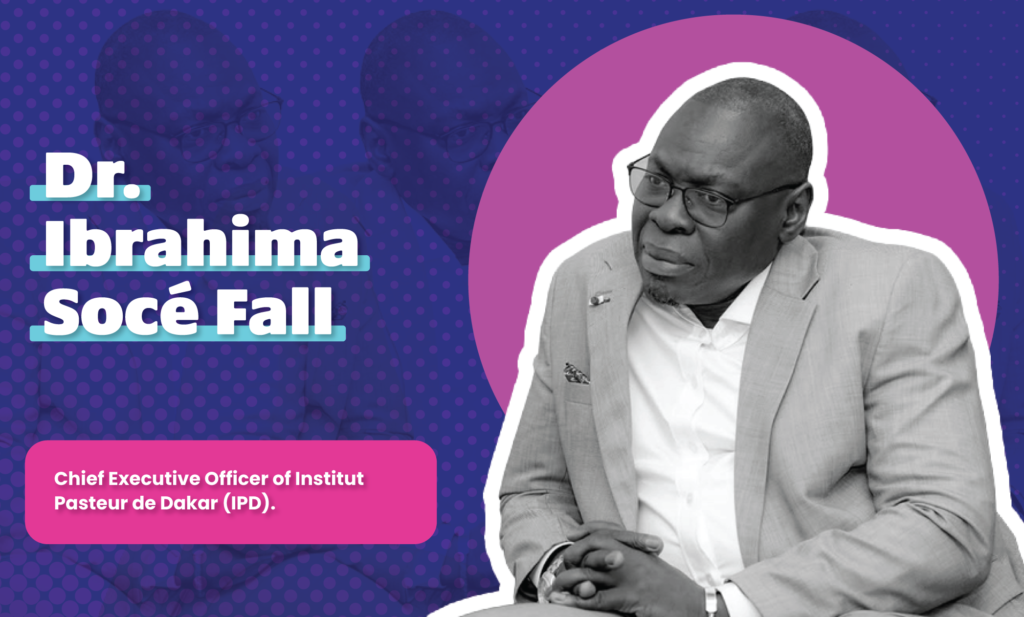

On 27 January 2026, in Zimbabwe, a young boy became the first child to receive a child-friendly formulation of praziquantel, the treatment for schistosomiasis (bilharzia). For Professor Francisca Mutapi, it was the culmination of more than two decades of research and advocacy to address a long-standing gap. For half a century, the children most affected by schistosomiasis had been overlooked by the treatment programmes designed to combat it.
In 2024, about 253.7 million people required preventive treatment for schistosomiasis (Bilharzia), a disease that remains endemic in 79 countries. It is caused by parasitic worms and can cause severe damage to the liver, kidneys, and bladder, leading to chronic illness and, in severe cases, death. People become infected when larval forms of the parasite, released by freshwater snails, penetrate the skin during contact with infested water. The African continent bears the highest burden, accounting for an estimated 93.9% of people requiring treatment. Although people of all ages are at risk, preschool-aged children are particularly vulnerable, highlighting the urgent need to expand access to treatment and prevention.
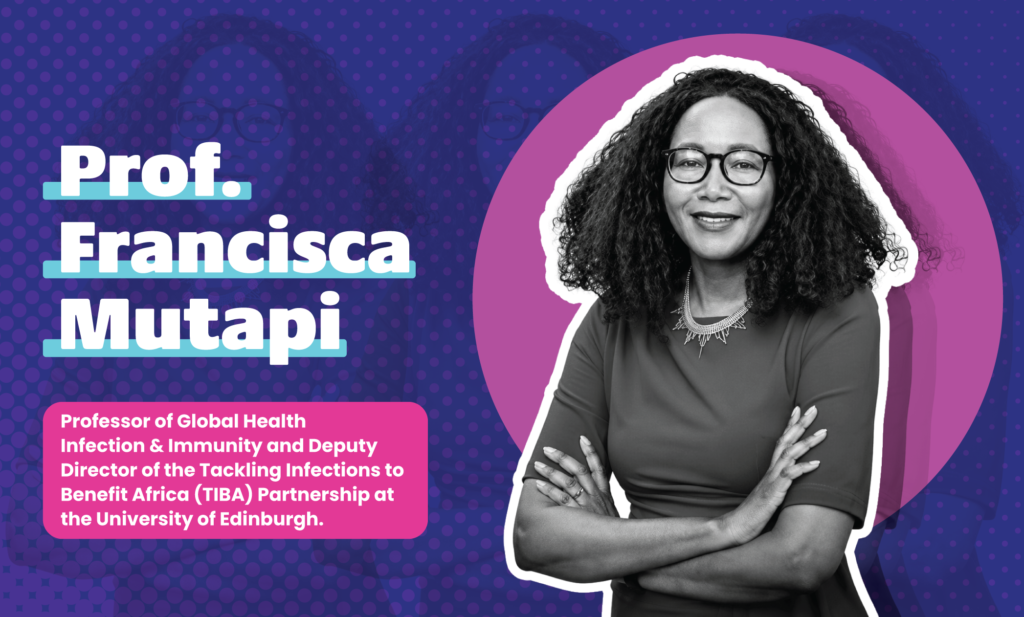
Addressing this challenge has been the life’s work of Professor Francisca Mutapi, Professor of Global Health Infection & Immunity and Deputy Director of the Tackling Infections to Benefit Africa (TIBA) Partnership at the University of Edinburgh. For decades she has led research on neglected tropical diseases (NTDs), particularly schistosomiasis (bilharzia), which affects millions of African children under five. In an interview with Africa Health Watch, she shares her journey, the impact of her work, and what African countries must do next. The interview has been edited for brevity
You have built an internationally respected career in immuno-epidemiology and global health. What first drew you to this field, and what has kept you in it?
Professor Mutapi: A lecture on schistosomiasis (bilharzia) during my undergraduate studies in Zimbabwe first drew me in. The lecture focused on the scale of the problem, distribution, and its burden in communities. I became fascinated and focused my research on the drivers of those epidemiological patterns and the role immunity plays to determine who is susceptible, who becomes infected, and who is less affected.
What kept me in the field were the answers I found during my PhD: immunity plays a major role in reducing reinfection, immunity to the parasite develops very slowly and most importantly I could speed up the development within two months by treating those infected with praziquantel. Also, people could remain protected for up to two years
Can you describe the scale of the problem, your approach to tackling this problem and hardest challenges or limitations faced?
Professor Mutapi: Bilharzia is Africa’s second most important parasitic disease in children after malaria, affecting over 50 million children. Since the early 2000s, a World Health Assembly resolution has focused on treating 75% of children aged 6-15 with funding largely driven by external donors, philanthropic organisations and development partners. In my quest to know why preschool children under-five are not being treated, I discovered a mix of historical and anecdotal reasons: praziquantel was never evaluated in this age group in the 1970s; it was believed these children weren’t exposed to the infection because they don’t go to the river and if infected, they showed minimal symptoms with no clinical manifestations. One of the biggest challenges in this work is that when the agenda is set externally, under-fives are left out of it. For the past 20 years, Mass Drug Administration has been the approach taken to control these diseases and has proved successful in communities, except for two things. It targets, 6 to 15 excluding children under five and adults.
What is the biggest impact of your work, and how do you know it’s working? What does the evidence of that impact look like?
Professor Mutapi: My work on this question has had two impacts. First, my research showed that children under five who are exposed to schistosomiasis can carry a significant burden, and can be safely treated with praziquantel. Praziquantel kills the adult worms, reverses the early pathology and accelerates the development of immunity. We presented the evidence to WHO in 2012, and WHO recommended that these children should be treated, 50 million African children were eligible for treatment. The current WHO NTD’s Roadmap to 2030 includes guidelines for treating these children under the age of five. Secondly, I helped develop a child-friendly praziquantel formulation that is smaller, tastes better, and dissolves in the mouth. On 27 January 2026 in Zimbabwe, the first child was treated with this new drug.

As global funding priorities shift, what do African countries need to do to sustain the kind of work that you and others are doing?
Professor Mutapi: If you read any of my op-eds or publications, my mantra is always “Domestication”. Africa must build and own the full pathway from innovation to application and deployment. That means training professionals in Africa to solve African problems, including AI for health, and investing domestically in skills, innovation, and health systems.
What I would say to anyone trying to drive change; change requires strong data and evidence to convince policy makers to invest, but evidence alone is not enough; it must be paired with effective advocacy.
“To defeat NTDs on the continent, Africa must take the lead.”
~ Professor Francisca Mutapi
The drug Professor Mutapi had spent two decades fighting to make available to under-fives has started reaching children. Fifty million more are now eligible to follow. Her argument, focused on domestication, is that Africa must own the full pathway from research to delivery. Until then, the children most exposed to the continent’s diseases will keep being the last to be reached.
Subscribe to Africa Health Watch
Get the latest health policy analysis and investigative journalism delivered straight to your inbox.
We respect your privacy. Unsubscribe at any time.