
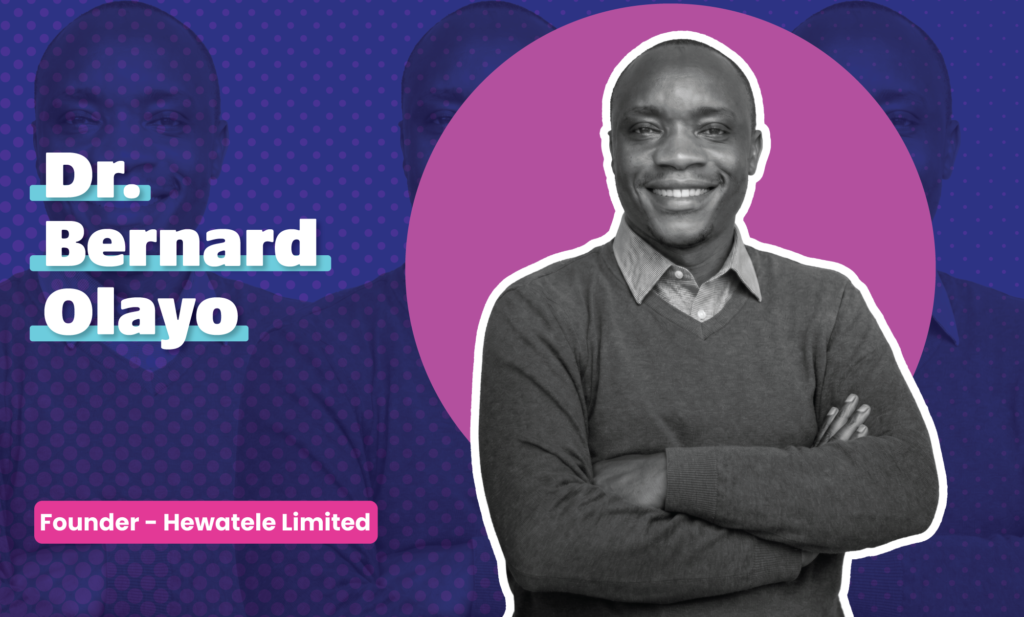
When Dr. Bernard Olayo worked in rural health facilities in Kenya, oxygen shortages were a recurring challenge, especially for patients with severe respiratory illnesses. After seeing the consequences firsthand, he founded Hewatele Limited to produce and distribute medical oxygen closer to health facilities. Today, the company supplies more than 300 health facilities in Kenya and has expanded its work into Uganda, helping make oxygen more accessible and affordable.
Medical oxygen is an essential medicine, yet access remains limited in many health facilities across Africa, with challenges ranging from inadequate production and distribution systems to affordability and unreliable supply.
As a physician working in rural areas, Dr. Bernard Olayo saw health facilities run out of oxygen, leaving patients vulnerable, including at night. That experience led him to establish Hewatele (which means “abundant air” in Swahili), an oxygen production and distribution company focused on improving access to medical oxygen in Kenya and other parts of East Africa. In an interview with Africa Health Watch, he shares his story and insights into his work. This interview has been edited for brevity.
As a physician, what challenges did you see in the way oxygen is being accessed that made you establish Hewatele Limited? What has kept you going till today?
Dr. Olayo: When I used to work in rural areas, we rarely had enough oxygen. When people get sick with pneumonia, the lungs become clogged with pus and fluid, which stops the lungs from getting adequate oxygen. During pneumonia season, many babies die in those areas. Seeing the risk of running out of oxygen in the middle of the night with no reliable backup shaped my decision. What keeps me going is that many patients still require oxygen but can’t get it. That is why I am on a journey to see that these preventable deaths are reduced.
Since the inception of Hewatele, how do you ensure availability, affordability, and accessibility of safe medical oxygen in Kenya and other Eastern African countries? How do you know your strategies are working?
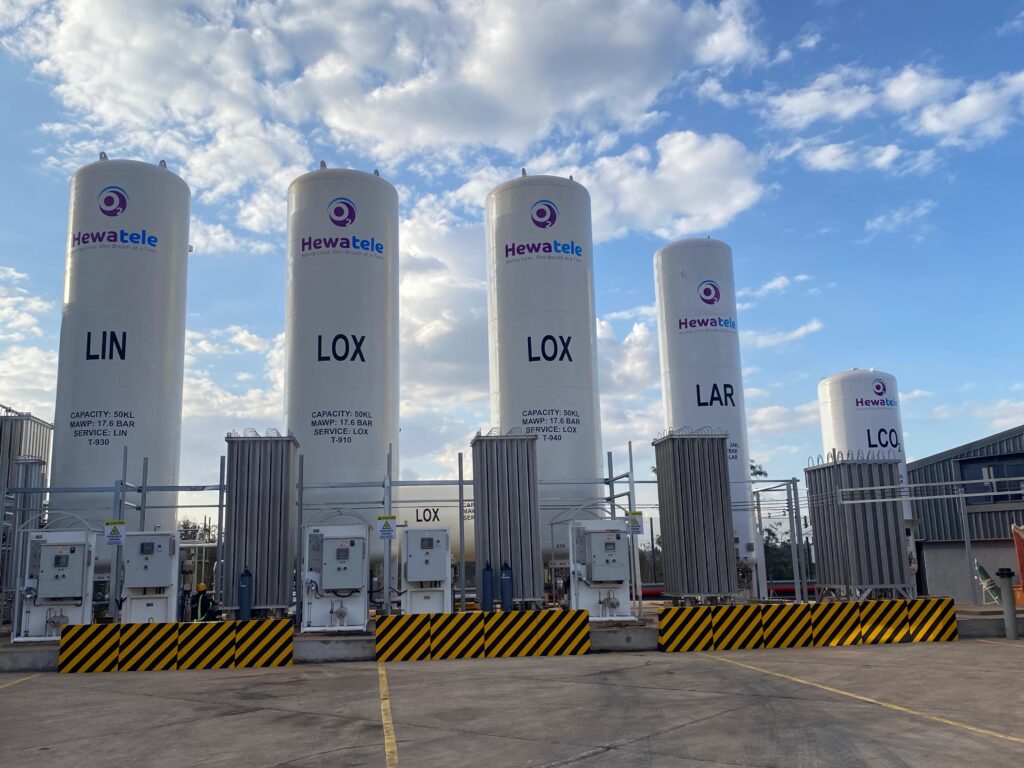
Dr. Olayo: We started quite small with a Pressure Swing Adsorption (PSA) plant that could fill one cylinder a day. After two years, we failed because we could not maintain it. It required a business model that is local and self-sustaining. We then moved to a larger PSA plant that could produce 120 cylinders a day. When COVID-19 hit, we realised we were not producing enough. So, we raised money from the market, both in debt and equity, to build a liquid oxygen plant that can produce 20 tons per day. We are providing oxygen to more than 300 facilities in Kenya. Along the way, we partnered with Joint Medical Store, a faith-based supply chain company in Uganda, to set up a plant through a joint venture that supplies oxygen to facilities in Uganda. In Kenya, we took away the risk of distribution, maintenance, and training in those facilities. In terms of affordability, we deployed the Milkman distribution model, enabling us to supply facilities at 25–30% below market prices, varying by distance from the city.
What difference has more reliable access to oxygen made in the health facilities and communities you serve?
Dr. Olayo: For years that we have been partnering with Siaya county, none of their facilities has gone without oxygen for a single day, and the same thing has been repeated in Uganda. We cannot directly link the availability of our product to mortality outcomes, but we have anecdotal evidence from some of the providers. I have spoken to the nuns who run the faith-based hospitals and they would tell me, “Before having oxygen, we used to have three or four babies die every month, but that has changed; we can go a whole quarter without losing a baby”. But even more transformative for me is that we’ve made oxygen much more affordable in Kenya.
What have been the biggest challenges or limitations in this work?
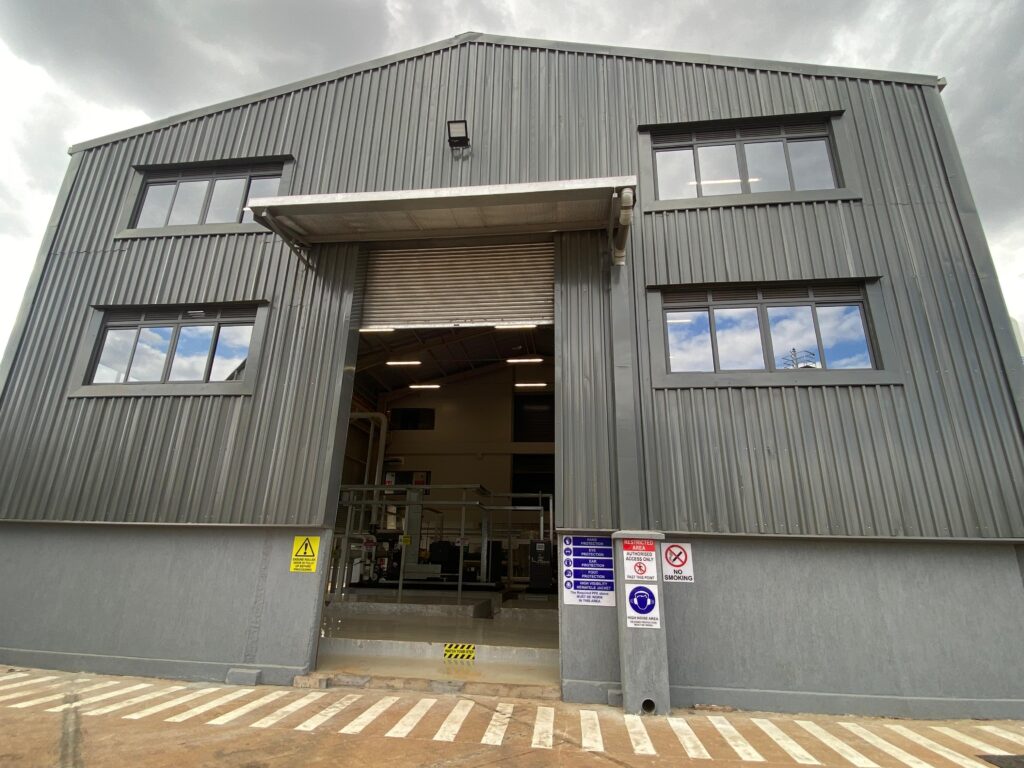
Dr. Olayo: The biggest challenge is working with counterparts. We target the poor, and we expect the government to pay for them, but the government delays payment. Getting paid by the government has been our biggest constraint so far. The second challenge that we face is the human resources for engineers. When we train engineers and they become very good, they often leave to join big companies. Lastly, accessing spare parts is challenging; we face delays importing them, especially during global conflicts.
What key lessons can entrepreneurs, public health teams or organisations learn from your experience that can inform their work?
Dr. Olayo: Success in this area requires a long-term commitment. It won’t come quickly, and you can’t achieve it alone. You need to develop strong pillars of partners that will help in your journey. Whether they are financing partners, your government counterparts in the policy space, investors, or technical partners, it is important to identify these people early and build relationships with them.
As funding shifts, what do African countries need to do to sustain the kind of work that you and others are doing?
Dr. Olayo: For the manufacturing agenda, Africans need to look inwards and start solving our own problems with our own resources. There are so many people with money on the continent, but it is difficult to find African capital that you can deploy towards a problem. African funds, financial institutions, and sovereign funds by government need to be deployed for our own development and our own projects.
“If you’re passionate about something, keep going, no matter what challenges you face in a way.”
~ Dr. Benard Olayo
Dr Bernard Olayo’s work shows what happens when a health-system challenge witnessed at the point of care is turned into a practical, locally-led solution. From a small plant that was filling one oxygen cylinder a day, Hewatele has grown into a supplier serving hundreds of health facilities in Kenya. His experience also points to what is required to sustain such work: long-term commitment, strong partnerships and greater investment in African solutions using African capital.
Subscribe to Africa Health Watch
Get the latest health policy analysis and investigative journalism delivered straight to your inbox.
We respect your privacy. Unsubscribe at any time.