
After nearly two decades of failed attempts to develop an HIV prevention method that women could control, a breakthrough finally came in 2010. Research co-led by Professors Quarraisha Abdool Karim and Salim Abdool Karim demonstrated for the first time that tenofovir could help protect women against HIV infection, laying the foundation for tenofovir-based pre-exposure prophylaxis (PrEP), which has since become one of the world’s most effective HIV prevention strategies. For the first time, young women had an HIV prevention option they could use independently.
HIV remains one of the world’s most significant public health challenges. About 40.8 million people were living with HIV globally in 2024, 65% of them in the WHO African Region. By 2025, AIDS related illnesses had claimed an estimated 570,000 lives.
For many years, one of the greatest challenges in HIV response was the lack of an effective biomedical prevention method that women could use independently to protect themselves from infection.
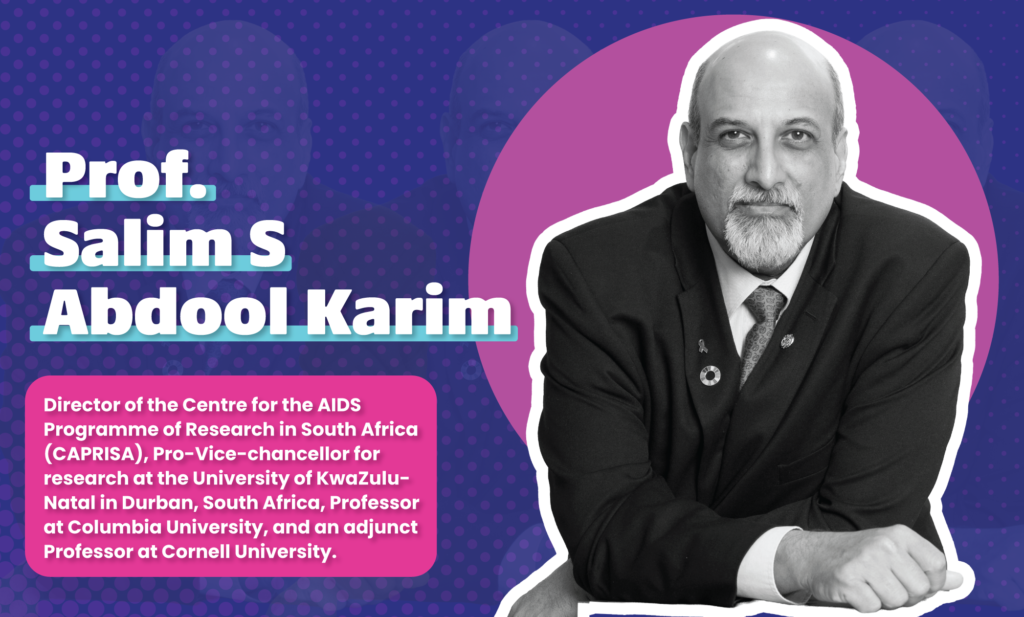
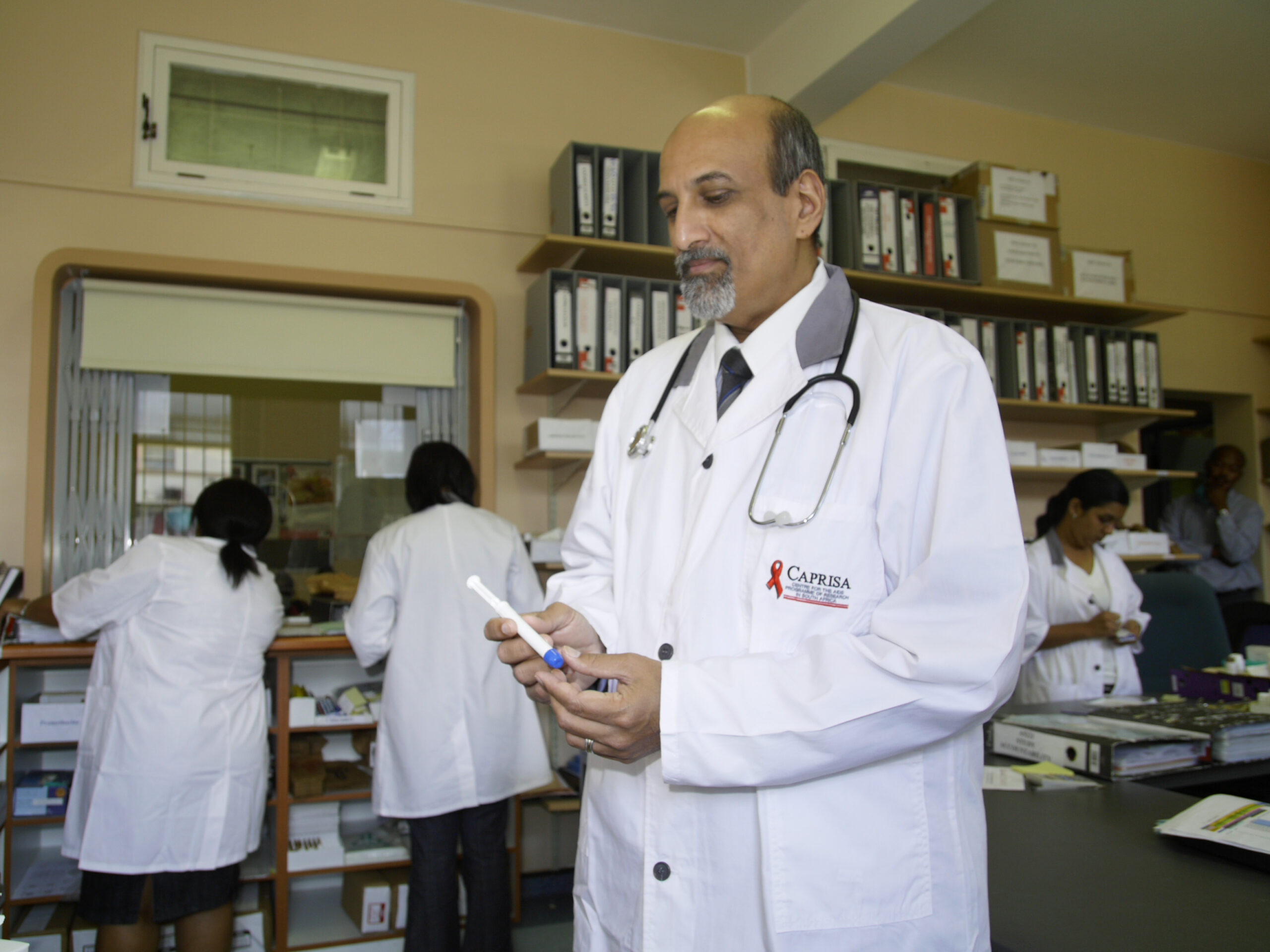
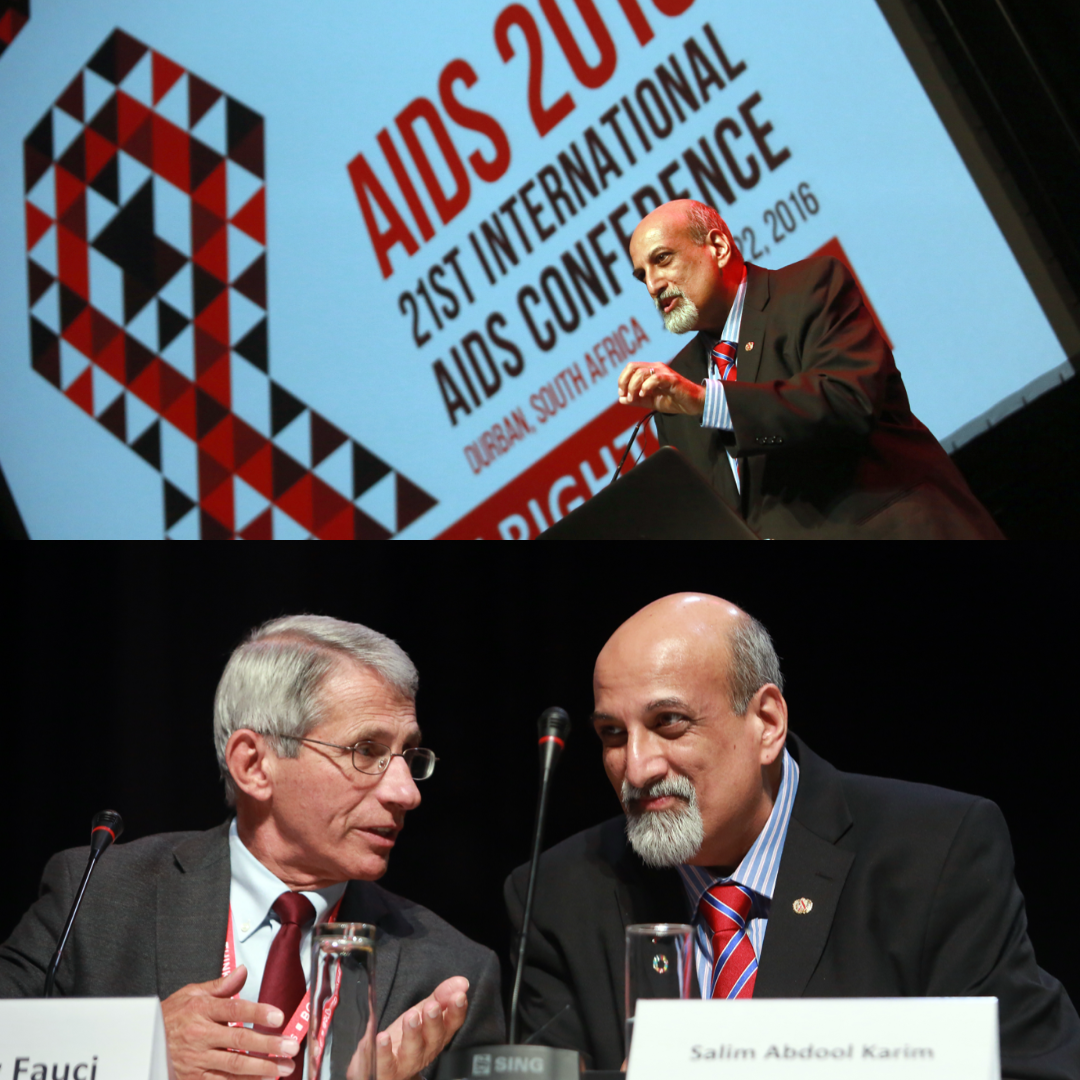
Professor Salim Abdool Karim, a clinical infectious disease epidemiologist, Director of the Centre for the AIDS Programme of Research in South Africa (CAPRISA) and Pro Vice-Chancellor for Research at the University of KwaZulu-Natal in Durban, South Africa, has spent decades trying to change that. In an interview with Africa Health Watch, he shares his journey, the impact of his work, and what African countries must do next. This interview has been edited for brevity.
As a clinical infectious disease epidemiologist, much of your work focuses on HIV/AIDS research, especially in South Africa. How would you describe the challenge, and what inspired you to dedicate your career to addressing it?
Professor Karim: In 1987–1988, when my wife (Quarraisha Abdool Karim) and I were students at Columbia University, seeing young men die from AIDS in New York made the severity of the disease impossible to ignore. We returned to South Africa in 1988 and committed our research to HIV. We conducted the first community-based studies in northern KwaZulu-Natal. Those studies revealed that adolescent girls and young women were acquiring HIV at much higher rates than their male peers, and much of the transmission was occurring in age-disparate relationships. In the 1990s, we focused on slowing down the rate of HIV infection in women because the only available prevention tools at that time were what we refer to as ABC (abstinence, be faithful, and condoms), which did not enable women to protect themselves independently.
What approach did you take to tackle this problem, and how does it work in practice?
Professor Karim: We first sought to understand why young women were becoming infected at such high rates, including the social, economic and cultural factors driving age-disparate relationships with older men. Our main approach was to develop a prevention product that women could use independently to protect themselves against HIV. Our first candidate was a vaginal film containing nonoxynol-9, but a clinical trial showed it did not prevent HIV infection.
We failed so much that at an AIDS Conference, we were called experts in failure. In 2004, we began working with tenofovir, an antiretroviral drug that was different from what others were using at the time. We formulated tenofovir into a vaginal gel designed to protect women from HIV infection.
What has been the biggest impact of your work, and how do you know it is working? What does the evidence of that impact look like?
Professor Karim: After 18 years of failure, in 2010, we announced the first positive result showing that tenofovir gel could protect women from HIV. The findings marked a major breakthrough in HIV prevention.
Secondly, our research on the timing of antiretroviral therapy, particularly for people with HIV and tuberculosis, helped inform subsequent World Health Organization’s treatment guidelines. Today, WHO PrEP recommendations have been incorporated into national guidelines in more than 150 countries.
What are the hardest challenges to your work, and what important insights from your experience can others trying to address similar problems benefit from?
Professor Karim: Our work on HIV prevention is not done. Funding remains a major challenge, especially as US support becomes less readily available. Clinical research, product development, and working with companies all require substantial resources.
My advice to researchers is to find what excites them, do it to the best of their ability, make it excellent and never give up, because nothing worthwhile comes easily, so it is important to pursue your passion with excellence and persevere through the obstacles.
As external funding shifts, what must African countries do to sustain the work people like you are doing?
Professor Karim: We must see ourselves as global citizens. The solutions we develop are not only for South Africa or Africa; they are for the world, so we must also seek support globally. At the same time, African governments must invest more deliberately in scientists, academics, institutions, higher education, postgraduate training, and research. Without building that intelligentsia and giving people opportunities to thrive, it will be difficult for our countries to succeed.
“A key factor in building trust is honesty. People want honest evidence-based explanations that can help them understand the situation, make up their own minds on what to do, and give them a sense of control over their own lives.”- Professor Salim Abdool Karim
Prof. Salim Abdool Karim’s work helped lay the foundation for tenofovir-based PrEP, informed WHO treatment guidelines, and influenced HIV prevention strategies around the world. However, he believes the next breakthrough will depend on whether African countries invest in the scientists and institutions capable of driving the continent’s own research agenda.
Subscribe to Africa Health Watch
Get the latest health policy analysis and investigative journalism delivered straight to your inbox.
We respect your privacy. Unsubscribe at any time.