
One year after African leaders and global health institutions launched the Accra Reset in New York, the initiative has moved from a call for health sovereignty towards a proposed architecture for changing how health is financed, governed and delivered. At a meeting held on the sidelines of the 81st United Nations General Assembly (UNGA), Ghanaian President John Dramani Mahama and the Guardians of the Accra Reset launched a High-Level Panel report, opening a new phase in the push for health sovereignty. It calls for international cooperation that supports countries’ own priorities and reduces the burden of navigating separate institutions and funding streams.
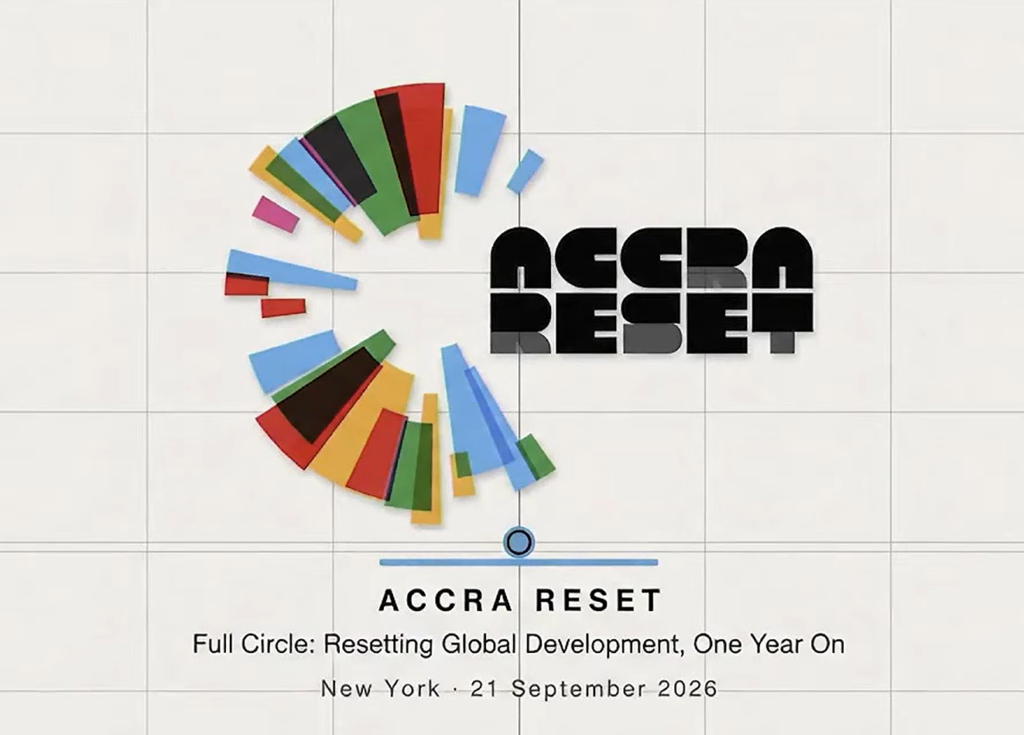
At the Accra Reset’s “Full Circle” convening, the conversation had moved beyond whether global health governance needs to change, towards what that change should look like, who should drive it and how progress should be measured.
The discussion centred on the report, “A Sovereign Future for Health” which proposes recommendations aimed at shifting global health from a model where countries are expected to own programmes they do not always control, towards one where governments have greater authority over priorities, financing and implementation. Instead of governments coordinating multiple externally financed programmes around separate priorities and reporting systems, the Panel proposed one-stop country compacts that bring national health plans, investment plans, public budgets and coordination mechanisms together.
The recommendation reflects one of the tensions that has surfaced throughout the Reset’s discussions. Global health institutions speak about country ownership, but financing and programme design can still leave governments working within priorities and structures established by external partners.
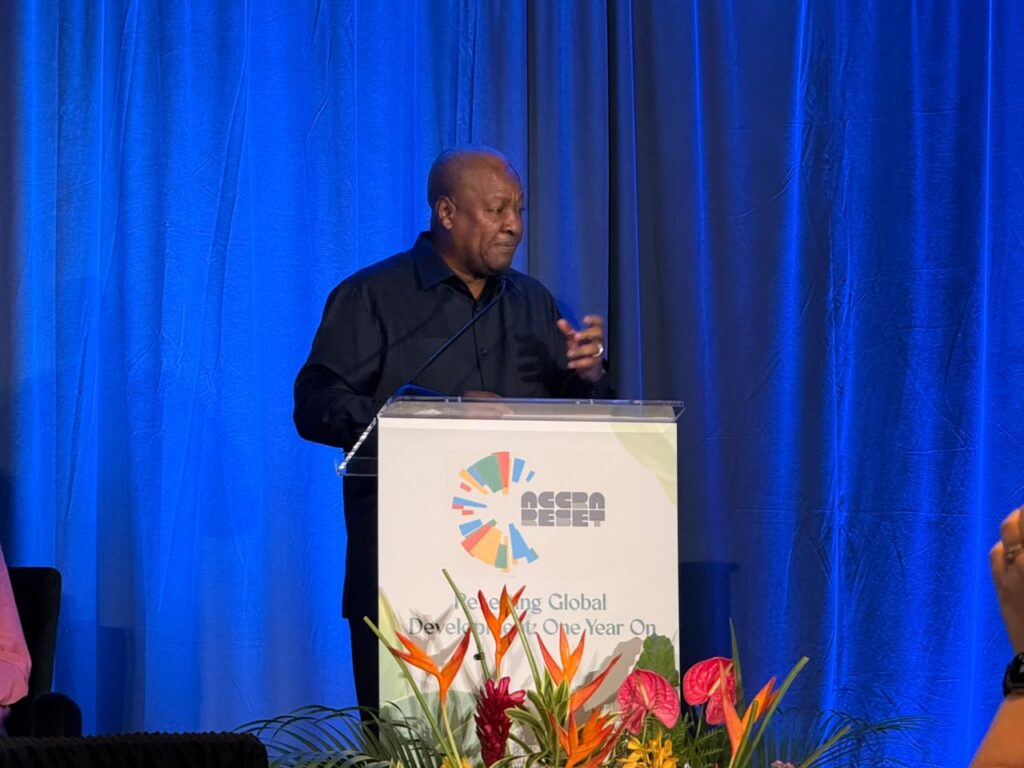
This was central to President Mahama’s remarks at the convening. He emphasised that countries cannot meaningfully own programmes when they do not control the resources, decisions and systems that shape them.
“There can be no ownership without control… and if we demand control, we must earn it through uncompromising domestic accountability”
~ President John Dramani Mahama
The proposed shift is not directed only at governments. The High-Level Panel also called on global health institutions to rethink how they work and how their mandates interact, including through its “4Cs” framework: Commit, Collaborate, Consolidate and Close.
The proposal is intended to reduce duplication, clarify responsibilities and ensure that global institutions focus on functions that countries and regional institutions cannot effectively deliver alone. African governments would need to demonstrate that greater authority can translate into productive capacity and measurable improvements in health.
Regional cooperation also emerged as an important part of the conversation, because countries acting alone may lack the scale needed to manufacture medicines and vaccines, negotiate procurement, attract investment or influence global rules. This is why the Reset’s vision extends from the national level to regional and continental cooperation, and ultimately to stronger South-South partnerships. Former Nigerian President Olusegun Obasanjo described this approach as operating across “national level, regional level, continental level, global south level and ultimately, in partnership with the Global North”.
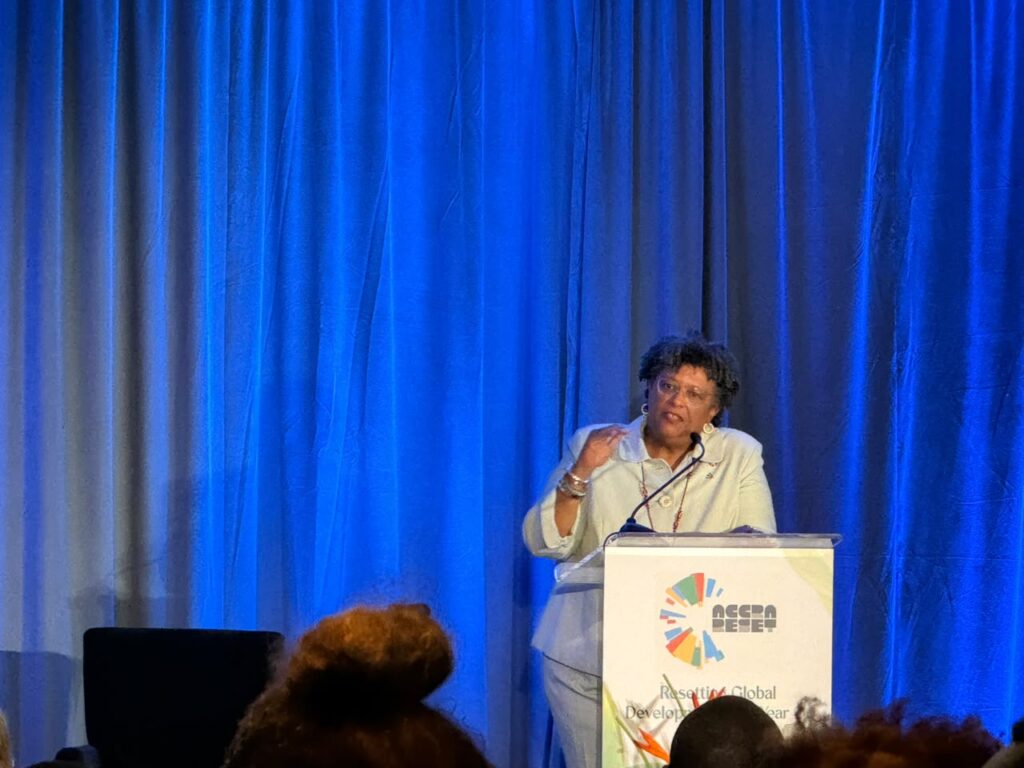
Barbados Prime Minister Mia Mottley in her speech pointed to the vulnerability to viability compact as an example of how countries can create room to invest in essential services. The compact brings together V20 countries and development finance institutions around longer-term financing, blended finance and debt swaps. Mottley also spoke about a proposed debt-for-social swap that would repurchase US$600 million of Barbados’ public debt and unlock about US$150 million in savings for health investment. Countries are finance infrastructure designed to serve people for decades with loans whose repayment periods are much shorter than the asset’s useful lives. Mottley emphasised that reforming these financial terms is essential to creating the fiscal space countries need to invest in their development priorities.
For the Accra Reset, having more control over health priorities is important, but countries need the financial space to act on them. The Reset is putting mechanisms like The Reform Interlocking Observatory (RIO) and the Health Investment National Gateway Enabler (HINGE) around this broader ambition. RIO is intended to track reforms across global health institutions, while HINGE is designed to help turn national health priorities into investment-ready projects. Together, they point to an attempt to connect the political argument for greater country control with the practical work of tracking reform and mobilising finance.
Why this Matters
The Accra Reset conversation comes at a time when the boundaries between global, regional and national action are becoming harder to separate. A country may need international financing to expand its health system, regional markets to make local manufacturing viable and global institutions to coordinate responses to threats that cross borders.
World Health Organization, Director-General Tedros Adhanom Ghebreyesus made a similar point at the convening, emphasising that a reformed global health architecture should help countries strengthen their domestic capacities rather than replace them. He emphasised that international support should strengthen what countries are building themselves, rather than substitute for it. This places the Accra Reset within a wider conversation already taking place across global health about how the architecture itself needs to change. As these ideas gain further traction, they stand a chance of shifting development cooperation towards partnerships where countries exercise greater authority over priority-setting, resource allocation and the institutions shaping their health systems.
Subscribe to Africa Health Watch
Get the latest health policy analysis and investigative journalism delivered straight to your inbox.
We respect your privacy. Unsubscribe at any time.