
Professor Vincent Palokinam Pitché, a Togolese physician and public health expert, has been appointed the new Director General of the West African Health Organisation (WAHO), succeeding Dr. Melchior Athanase Joël Codjovi Aïssi, who has led the regional health body since 2022.
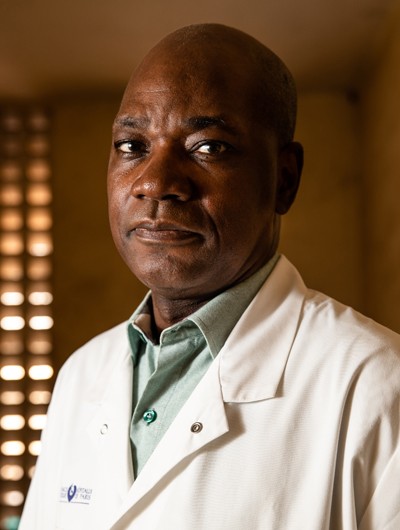
Pitché, a Togolese physician, professor of dermatology and infectious diseases, and public health expert, comes into the role with experience spanning clinical medicine, HIV and infectious disease control, research and digital health. His appointment also marks the beginning of a new chapter for WAHO, following Aïssi’s four-year tenure at the organisation.
When Dr. Melchior Athanase Joël Codjovi Aïssi took over as WAHO’s Director General in August 2022, he brought over 27 years of experience in public health, health systems development, humanitarian response and epidemic management. Before joining WAHO, he served as Executive Secretary of Benin’s National Council for the Fight against HIV/AIDS, tuberculosis, malaria, hepatitis, sexually transmitted infections and epidemics, and was involved in the country’s COVID-19 response.
In September 2024, under his leadership, WAHO brought together health professionals and stakeholders to align and validate codes of ethics and professional practice regulations for medical and dental practitioners across ECOWAS member states. The process was aimed at establishing more consistent professional standards and supporting the mobility of health professionals within the region.
Strengthening community health also became one of the organisation’s priorities. ECOWAS health ministers adopted the Regional Community Health Policy in May 2025, setting out a framework to strengthen community-based healthcare, with greater emphasis on prevention, health promotion and community-based surveillance. WAHO officially launched the policy in Cotonou in March 2026, describing it as a step towards bringing health services closer to communities and strengthening health systems across the region.
Lassa fever was another major focus during Aïssi’s tenure, with WAHO taking a more coordinated regional approach to a disease that continues to affect several West African countries. In January 2025, WAHO, Nigeria’s Federal Ministry of Health and Social Welfare and the Coalition for Epidemic Preparedness Innovations (CEPI) established the Lassa Fever Coalition’s Governing Entity to provide regional leadership for vaccine development and ensure that future vaccines are safe, effective and equitably accessible to affected populations. The coalition brought together health ministries from Benin, Guinea, Liberia, Nigeria and Sierra Leone.
The work continued throughout the year with efforts to advance Lassa vaccine research and development, while a WAHO-based secretariat was tasked with the responsibility of developing a research agenda, supporting ongoing vaccine research and development projects and planning for equitable access to future vaccines.
WAHO also successfully convened the second ECOWAS Lassa Fever International Conference in Abidjan, bringing together countries and partners around the development of vaccines, diagnostics, treatments and stronger preparedness for future outbreaks.
The leadership transition also comes as WAHO marks its 39th anniversary, nearly four decades since West African countries established the organisation to strengthen regional cooperation on health. In an anniversary statement, outgoing Director-General Dr Melchior Aïssi reflected on what that history means for the organisation’s future, particularly the importance of countries continuing to learn from one another and work collectively.
“I remain deeply convinced that the future of our Organisation rests on this collective capacity to innovate, to pool our experiences and to act together for the benefit of our populations,” he said.
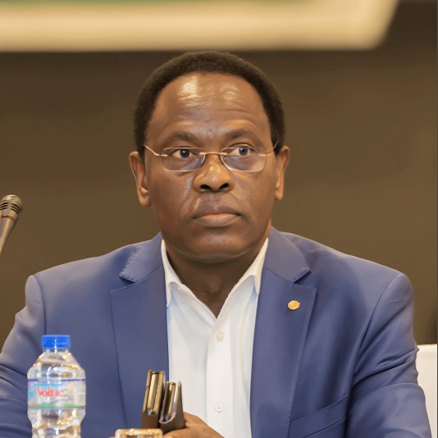
That emphasis on collective action is particularly relevant as Pitché takes over. These areas reflect the range of health priorities Pitché will take on as he begins his tenure at WAHO. WAHO’s responsibility has always extended beyond responding to the outbreak of the moment. Its mandate is to help West African countries work together on health issues that are difficult for any one country to tackle alone.
This includes strengthening health systems across the region, building collective capacity for epidemic preparedness and response, and coordinating support when health challenges cross national borders. Recent outbreaks, including mpox, have reinforced why strong regional institutions matter and the need to bring countries together around surveillance and epidemic preparedness, while strengthening national capacity to prevent gaps that can put the wider region at risk.
This makes Pitché’s new role particularly significant. He will take charge of programmes that are already underway, including the Regional Community Health Policy, while responding to emerging priorities and shaping how WAHO uses its regional mandate to strengthen national systems and turn regional cooperation into stronger health outcomes across West Africa.
Subscribe to Africa Health Watch
Get the latest health policy analysis and investigative journalism delivered straight to your inbox.
We respect your privacy. Unsubscribe at any time.