
Ana Gutiérrez Fernández
Across Africa, climate hazards are placing additional pressure on under-resourced health services. Extreme heat, water shortages and food insecurity threaten women’s and newborns’ health, while disrupted roads and power cuts make care harder to deliver. In Malawi, midwives are preparing for El Niño, but staff and funding needed to keep maternity and sexual and reproductive health services available remain uneven.
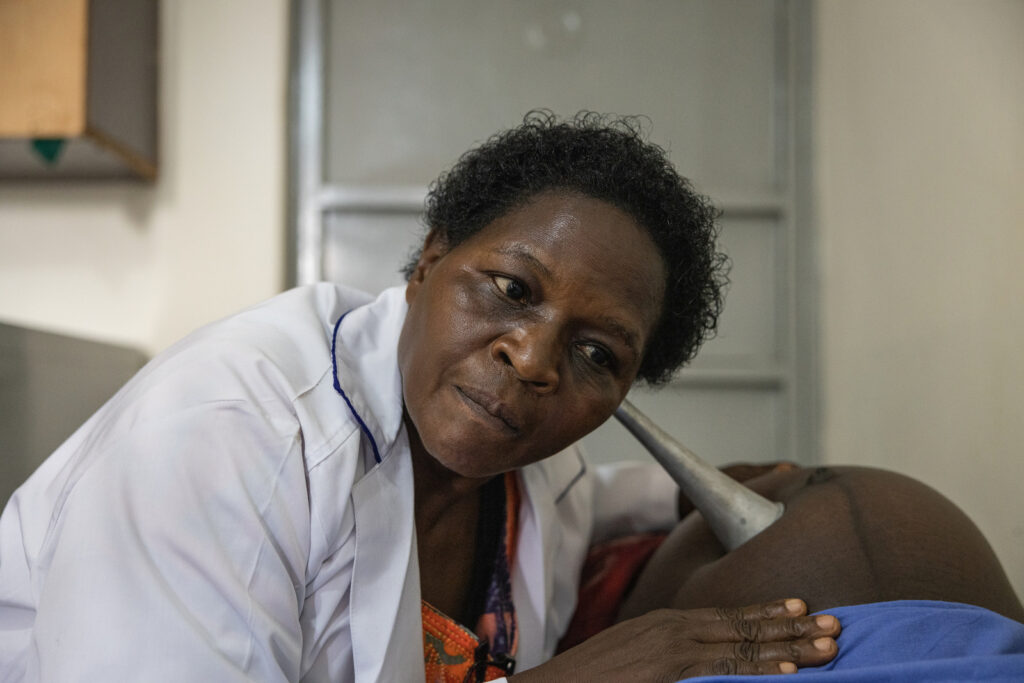
Pregnant women are arriving at Limbe Health Centre in southern Malawi with dehydration and dizziness. Some have walked long distances in the heat. Midwife Dalitsolanga Emmie Mang’anda and her colleagues have added drinking-water points inside the facility.
The heat is not yet the worst of it. El Niño is expected to peak around December, during Malawi’s rainy season. In written accounts shared with the International Confederation of Midwives through its member association, midwives describe preparing for disrupted rains, poor harvests and greater pressure on services women and newborns already struggle to reach.
“Extreme heat is causing dizziness and fatigue in many women and that includes myself,” says Madalitso Ben Malekano, a midwife at Phalombe District Hospital.
In Nsanje, senior nursing and midwifery officer Judith Mgogo describes “everyday electricity blackouts” affecting care. Asked what would help, she calls for reliable electricity, more funding and enough midwives.
Malawi’s health system was strained long before this El Niño, and these accounts cannot establish how much of the current heat is attributable to it. They show the conditions into which a climate shock arrives. A midwife who recognises a complication needs staff, equipment and a functioning referral service to respond. Women’s and newborns’ health depends on all of them.
More than a heat emergency
El Niño is a natural climate pattern involving unusually warm waters in the central and eastern tropical Pacific. Occurring roughly every two to seven years, it changes atmospheric circulation and influences temperatures and rainfall far beyond the Pacific. Its effects differ across Africa: southern regions face greater drought risks, while parts of eastern Africa can experience heavier rainfall and flooding.
Climate Impact Lab projects around 451,000 additional heat-related deaths worldwide between June 2026 and February 2027, compared with the same months in an average year over 1996–2025. Nigeria alone faces around 31,400 additional deaths between September and February, with substantial losses also projected in Sudan, Niger and Chad. These are uncertain, modelled estimates across the population, rather than a forecast of maternal deaths.
For pregnancy, a growing body of research identifies specific risks. A systematic review covering 198 studies in 66 countries links heat exposure with adverse maternal and newborn outcomes, including premature birth. An Africa-focused review also describes how extreme heat can overwhelm the body’s ability to regulate temperature during pregnancy and labour.
A Reuters analysis of more than eight million births in Mexico found that heatwaves in the final month of pregnancy were associated with higher rates of premature birth, with the increase reaching 18% at the highest exposures. That figure cannot simply be transferred to Malawi, but it illustrates the risks maternity services need to prepare for.
A baby born early may need extra care precisely when a facility is struggling with power cuts, too few staff or disrupted referrals.
Yet heat is only part of what worries Mang’anda.
“I am particularly concerned about the combined effects of excessive heat, anticipated water shortages and food insecurity,” she says.
At Sukasanje Health Centre in Phalombe, Limbani Chiwanda is concerned about the women whose livelihoods depend on the coming rains.
“Most women are involved in farming as a source of income,” he says.
A failed harvest can mean less food and less money for transport to antenatal appointments or the place where a woman plans to give birth. Inadequate nutrition can contribute to maternal anaemia and affect babies’ growth. Water shortages make handwashing, cleaning equipment and safe care harder. Flooding can cut off roads and contaminate water supplies, while changing temperatures and rainfall can alter exposure to infections, including malaria.
Mang’anda fears that hunger and lost income can also leave girls and young women more exposed to sexual exploitation, unintended pregnancy and violence. Food insecurity also forces women and girls to travel farther for food and water, increasing their exposure to gender-based violence.
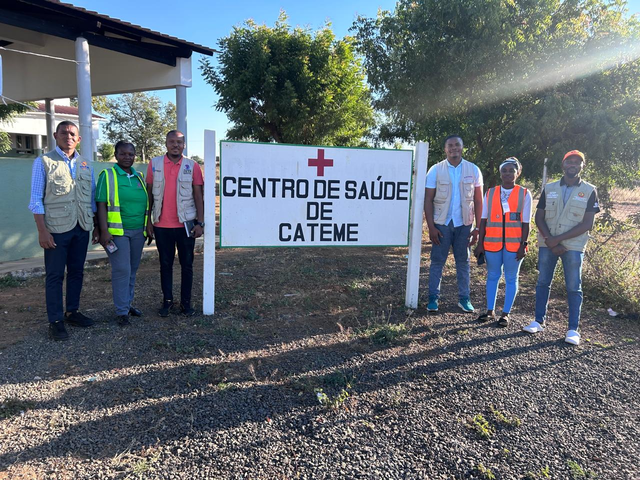
Chiwanda’s health centre is about 100 kilometres from the district hospital. Poor roads and difficult weather can make referrals harder.
“The outcome of a pregnancy should not depend on where a woman lives or whether her household can afford transport.”
~ Nyson Sekani, Safe Motherhood Coordinator, Chikwawa
A national plan, uneven support
Malawi is taking action. Its national El Niño preparedness plan, published in October, covers health, nutrition, water, food security and protection, with responsibilities assigned to ministries and district councils. At publication, US$94.4 million of its US$281.7 million budget had been mobilised, leaving roughly two-thirds unfunded. Those figures cover the whole response, not maternity services alone.
Mang’anda can already point to preparations that include reproductive health care.
“One encouraging development in our current El Niño preparedness efforts is that midwives have not been left behind,” she says. “We are part and parcel of the preparedness and response arrangements.”
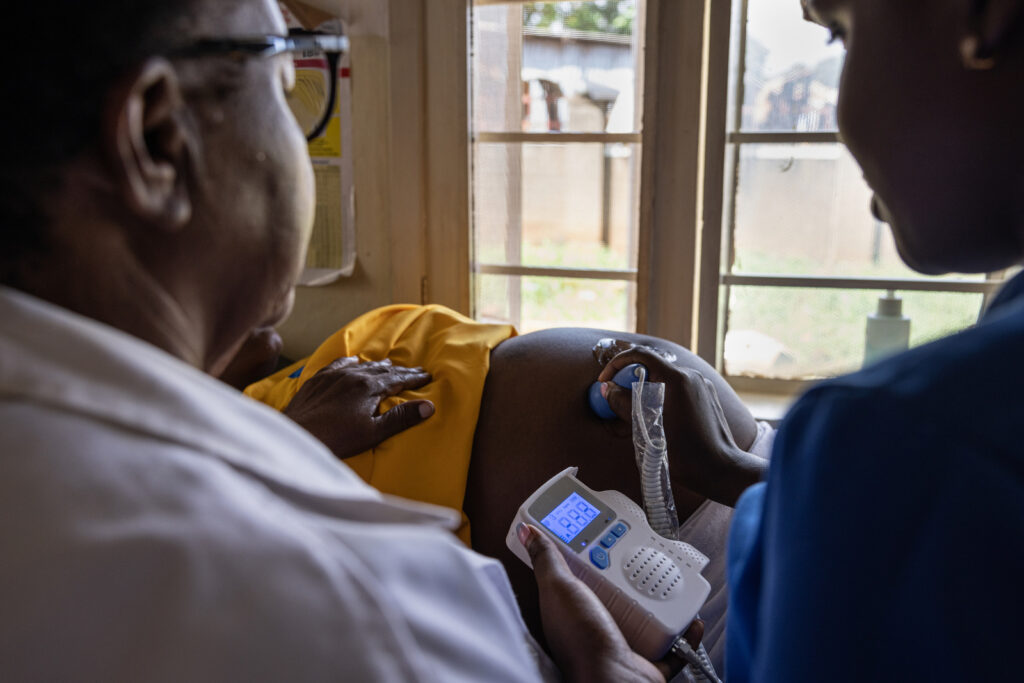
At Limbe, a rapid response team is working alongside a team responsible for essential sexual and reproductive health services during emergencies. Supplies are being prepared for possible outbreaks, and Mang’anda’s team plans to expand outreach clinics.
Elsewhere, support has been slower to arrive.
“There is no disaster preparedness plan in place currently but it is being worked on,” says Chiwanda.
Training through the Association of Malawian Midwives has nevertheless helped his team include disaster preparedness in its health talks.
These differences reflect a wider challenge. The WHO-hosted African Health Observatory–Platform on Health Systems and Policies describes climate hazards placing additional pressure on under-resourced services across Africa. Health increasingly appears in climate policy, but implementation remains weak and underfunded.
ICM’s Extreme Heat: A Guide for Midwives offers practical steps for protecting women, newborns and staff.
“The guide gives midwives a starting point for recognising heat-related risks and adapting care,” says Neha Mankani, author of the guide and ICM’s Humanitarian Engagement and Climate Advisor. “We can’t leave it to individual midwives to find a guide and train themselves. Health systems need to build climate preparedness into midwifery education and ongoing training, and make sure midwives and other health professionals have the staff, supplies and facilities to put that training into practice.”
The policy gap extends beyond Africa. Wellcome’s UK-focused report, Pregnancy in a warming world, finds that pregnant women are inconsistently recognised as vulnerable in heat guidance, despite growing evidence of the risks.
Malawi’s midwives know what interrupted care can mean. Recalling Cyclone Freddy in 2023, Mang’anda describes the continuing need for antenatal care, birth care, contraception and HIV services.
“Despite the emergency, women’s reproductive health needs did not stop,” she says.
Why This Matters
This El Niño is already testing preparedness. What happens now should shape the next plans and the funding behind them. As the world warms and heat extremes and other extreme weather phenomena intensify, babies will continue to be born and women will continue to need care. For leaders meeting at COP31 in Antalya from 9 – 12 November, keeping that care available requires three commitments.
- Protect women and newborns in national preparedness and adaptation plans. National Adaptation Plans and emergency plans must explain how maternity and sexual and reproductive health services will continue during extreme weather. Midwives, other professionals providing this care and the communities they serve must help design and implement them.
- Fund the services needed to deliver those plans. Governments and climate funders must support staffed and equipped facilities, safe water, reliable power, essential medicines and referral transport. Training and protection for health workers must be funded too. A plan cannot protect women if the people responsible for delivering it lack the means to act.
- Build data systems that improve the next response. Connect weather information with maternal and newborn outcomes and service disruptions. Recording who is affected, where care breaks down and which measures work will help countries identify risks earlier and prepare more effectively.
What happens now should shape the next plans and the funding behind them. Keeping care available must be a responsibility governments plan and pay for, rather than a burden health workers adapt to and carry alone.
Ana Gutiérrez Fernández is the Communications Lead at the International Confederation of Midwives
Subscribe to Africa Health Watch
Get the latest health policy analysis and investigative journalism delivered straight to your inbox.
We respect your privacy. Unsubscribe at any time.