
Preventing maternal and child deaths remains a major public health priority across Africa. Many of the interventions needed to save lives are already known. Skilled birth attendance, quality antenatal care, access to essential medicines and timely emergency obstetric care can prevent deaths, yet women continue to die from complications related to pregnancy and childbirth.
This was a central concern at the World Health Summit 2026 closing keynote in Berlin, titled Transforming the Future: Ending Preventable Maternal and Child Deaths. The discussion brought together representatives of governments, international organisations, civil society and the private sector to examine what it will take to protect progress in maternal and child health.
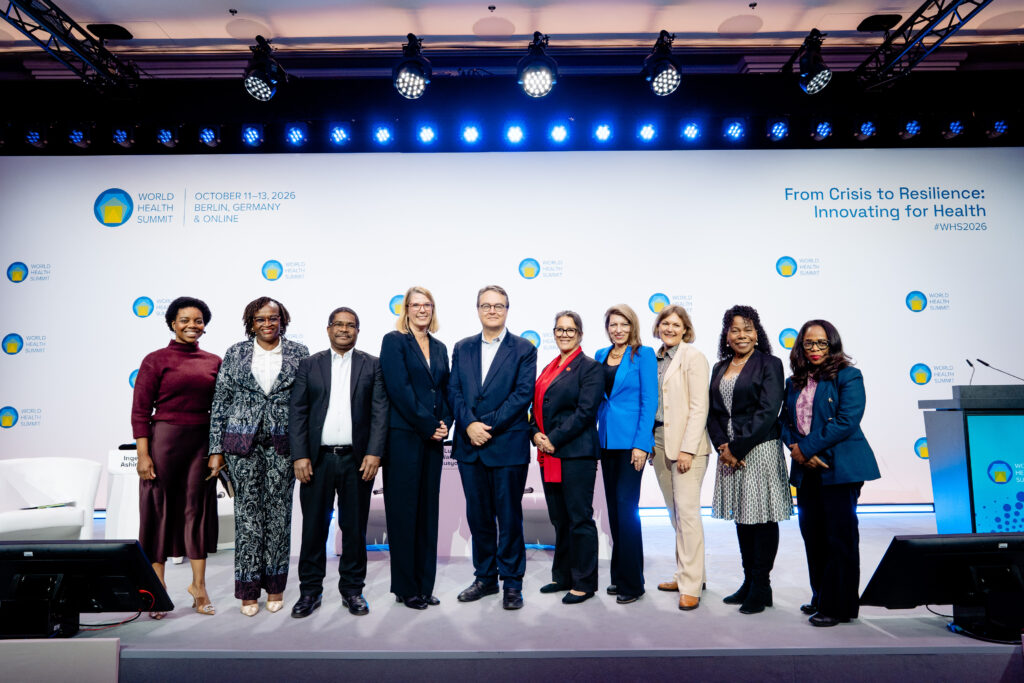
Speaking at the keynote, Dr Lucy Wanjiru Musyoka, Director of Health Standards at Kenya’s Ministry of Health, shared the country’s progress in maternal and child health and the gaps that remain. According to the 2022 Kenya Demographic and Health Survey, the under-five mortality rate declined to 41 deaths per 1,000 live births, from 52 in the 2014 survey. However, the neonatal mortality rate stood at 21 deaths per 1,000 live births in 2022, indicating that many newborns continue to die in the first month of life.
The figures point to a broader challenge in maternal and newborn health. Reaching a health facility does not always mean a woman or her baby will receive the care they need. Getting that care also depends on access to trained health workers, essential medicines and equipment, and the capacity to manage complications early.
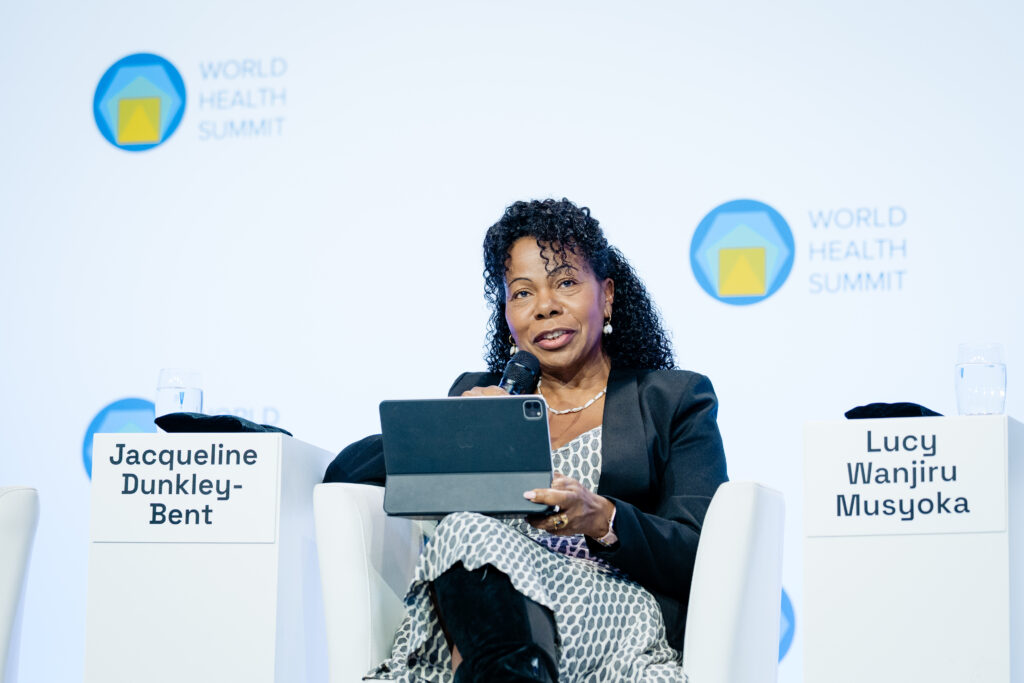
Speakers also highlighted the role of health workers. Prof Jacqueline Dunkley-Bent of the International Confederation of Midwives noted that investing in midwives requires more than training new personnel. Health systems also need to recruit and retain them, provide adequate equipment and supplies, and ensure they have the support and authority to deliver quality care.
Across Africa, health workforce shortages remain a challenge. The World Health Organization’s State of the Health Workforce in Africa 2026 report estimates that Africa could face a shortage of 5.85 million health workers by 2030. Yet, in 2024, an estimated 943,000 trained health workers were unemployed, even as health systems faced staffing shortages. This shows a mismatch between workforce training, employment and health system needs. As the report emphasised, expanding training without improving the capacity to employ and retain health workers will not deliver the transformation Africa needs.
Addressing these workforce gaps also raises questions about how African countries finance their health systems. The World Health Organization has noted that improving health financing requires not only adequate budget allocations, but also effective spending and accountability for how public funds are used.
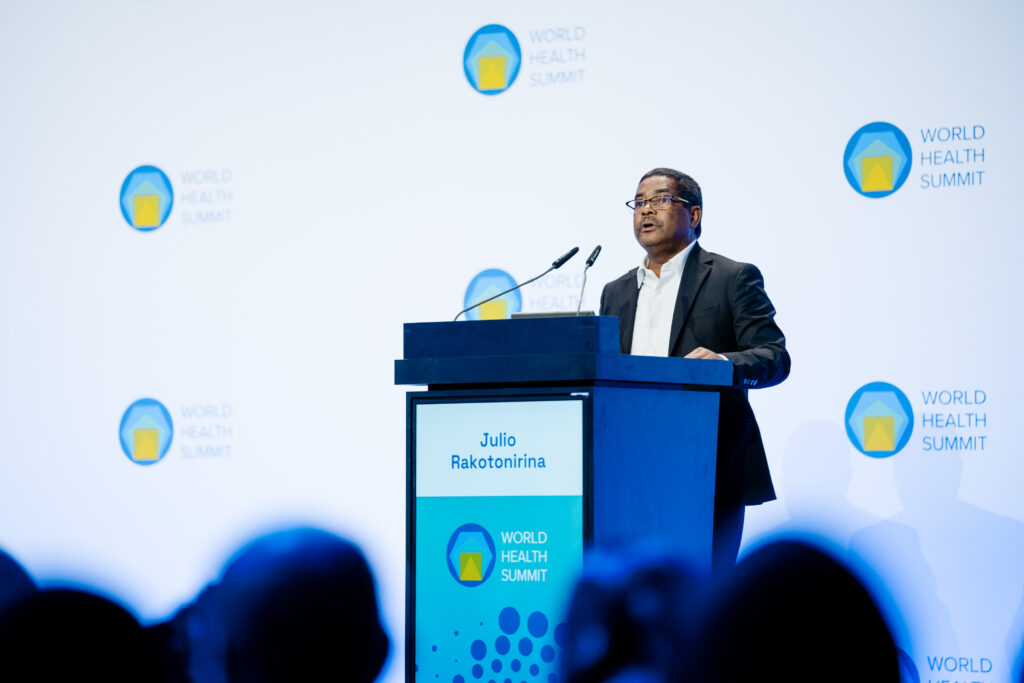
The discussion also turned to the role of African leadership in improving maternal and child health. Prof Julio Rakotonirina, representing the African Union, called for greater country ownership and stronger accountability for maternal and newborn health outcomes. His contribution pointed to the need for African governments to take responsibility for progress, keep maternal and newborn health a national priority, and act on gaps in care.
“We must be accountable for results. Commitment must be backed by resources, clear timelines, and regular review. We must ask ourselves: are women receiving safe care? Are medicines available? Are preventable deaths declining? …Women, young people, and communities must also have a voice in assessing our progress.”
~ Prof. Julio Rakotonirina
Prof Rakotonirina also explained the importance of giving communities a voice in decisions about their health. This means looking beyond the number of deaths recorded to understand why they occurred and what needs to change to prevent similar deaths. Maternal and perinatal death surveillance and response systems can help health facilities and governments do this. By reviewing deaths, identifying avoidable factors and acting on the findings, they can address gaps in the quality of care.
Tanzania’s Safer Births Bundle of Care is an example of how investment in frontline care can improve outcomes. The programme combines regular on-the-job training for health workers with clinical equipment and the use of facility data to identify gaps and improve care during labour and childbirth. A study, published in the New England Journal of Medicine reports a 75 per cent reduction in maternal deaths and a 40 per cent reduction in deaths among newborns in their first 24 hours following implementation.
It is important for African health systems to ensure that proven approaches translate into consistent, quality care for every woman and newborn.
Why This Matters
The continued loss of women and newborns to preventable causes shows why progress in maternal and child health cannot be measured by access to health facilities alone. A woman may reach a health centre and still not receive timely care if there are no skilled staff, essential supplies or equipment to manage complications. For newborns, delays in resuscitation or other emergency care can have lifelong consequences for families.
Tanzania’s Safer Births Bundle of Care shows that improving the quality of care during labour and childbirth can save lives. But for African countries to sustain these gains and extend effective approaches to more facilities, governments must move beyond commitments and ensure that the resources, personnel and systems needed to save lives are in place where care is delivered.
Subscribe to Africa Health Watch
Get the latest health policy analysis and investigative journalism delivered straight to your inbox.
We respect your privacy. Unsubscribe at any time.