
According to the Wellcome Global Monitor in 2025, 72 per cent of people reported some or a lot of trust in science. Although most people still expressed some level of trust, this was a decline from 80 per cent in 2020 and is below the 77 per cent recorded in 2018 across countries surveyed in all three rounds.
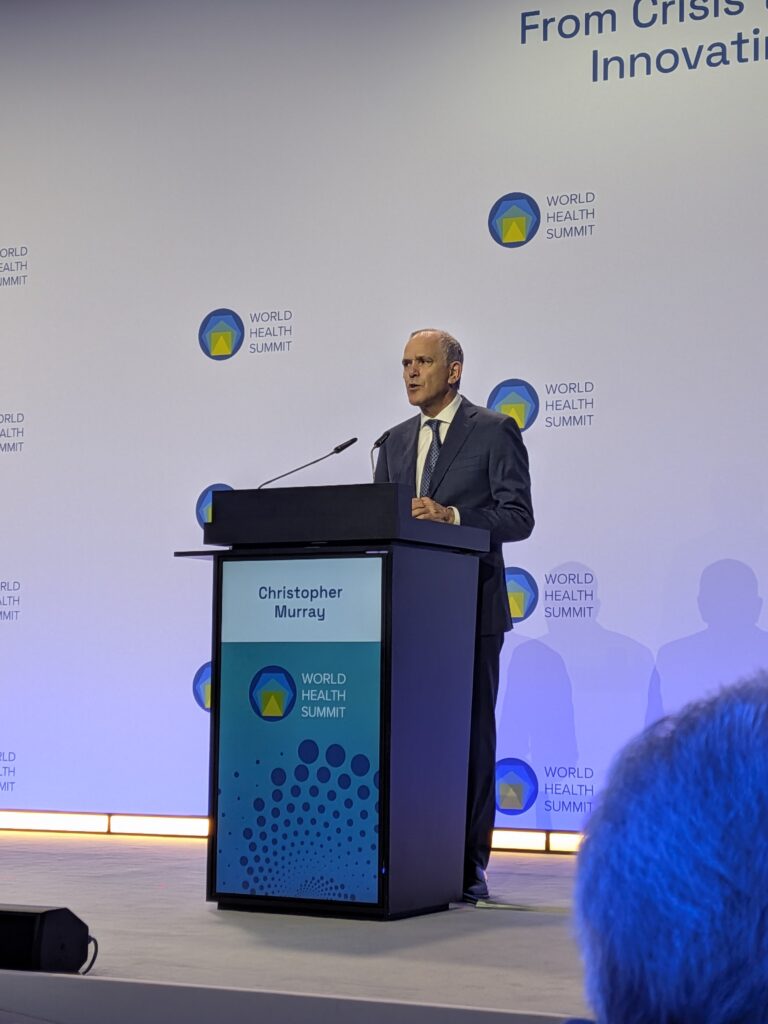
Speakers at the World Health Summit 2026 discussed the findings and examined what shapes public confidence in science and what researchers and health systems can do when that confidence is challenged.
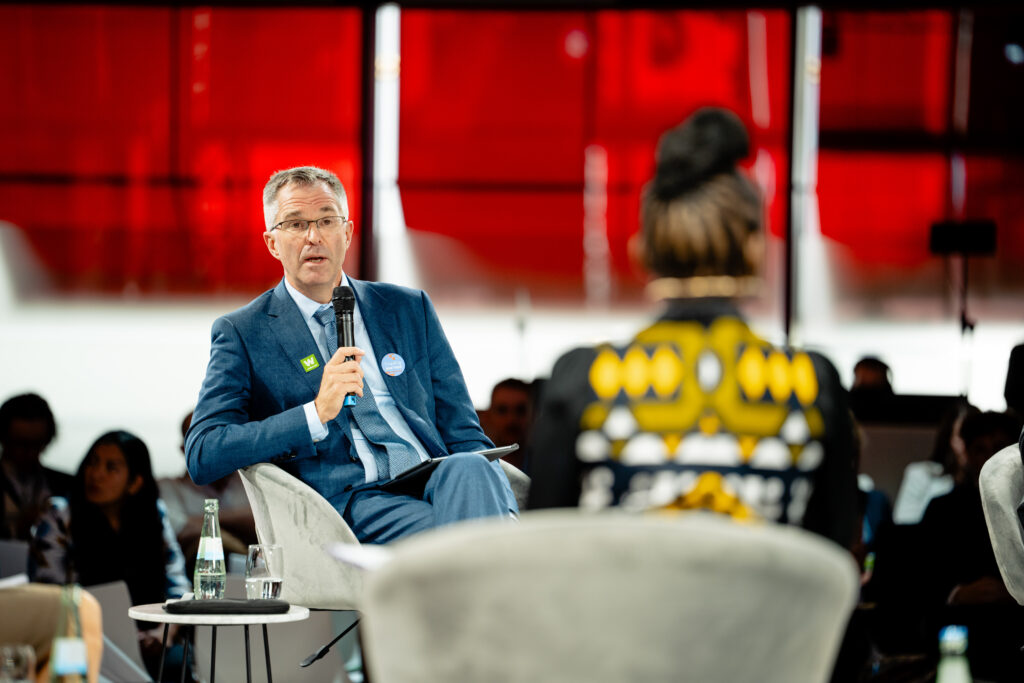
Presenting the findings, Mark Henderson, Executive Director of Corporate Affairs and Engagement at Wellcome, described three factors associated with trust: whether people see science as beneficial, their confidence in institutions through which they experience it, and their sense of security in everyday life.
The findings suggest that these factors cannot easily be separated from one another. People who believe science benefits most people in their country are more likely to report high levels of trust.
Confidence in healthcare services is also associated with trust. These findings do not establish that better healthcare or greater financial security automatically leads to higher trust. Instead, they raise a question for health systems: how can people be expected to trust science if they do not experience its benefits in their own lives?
The panel brought this question closer to home, with speakers sharing experiences that showed how trust can be shaped by the way researchers engage with communities, the relationships people have with healthcare workers, and whether people feel their concerns are being heard. During the 2014 Ebola outbreak in Sierra Leone, Javid Abdelmoneim, MSF International President, described how patients travelled for eight to ten hours to reach treatment centres. His account showed some of the difficulties communities faced in accessing care during the outbreak.
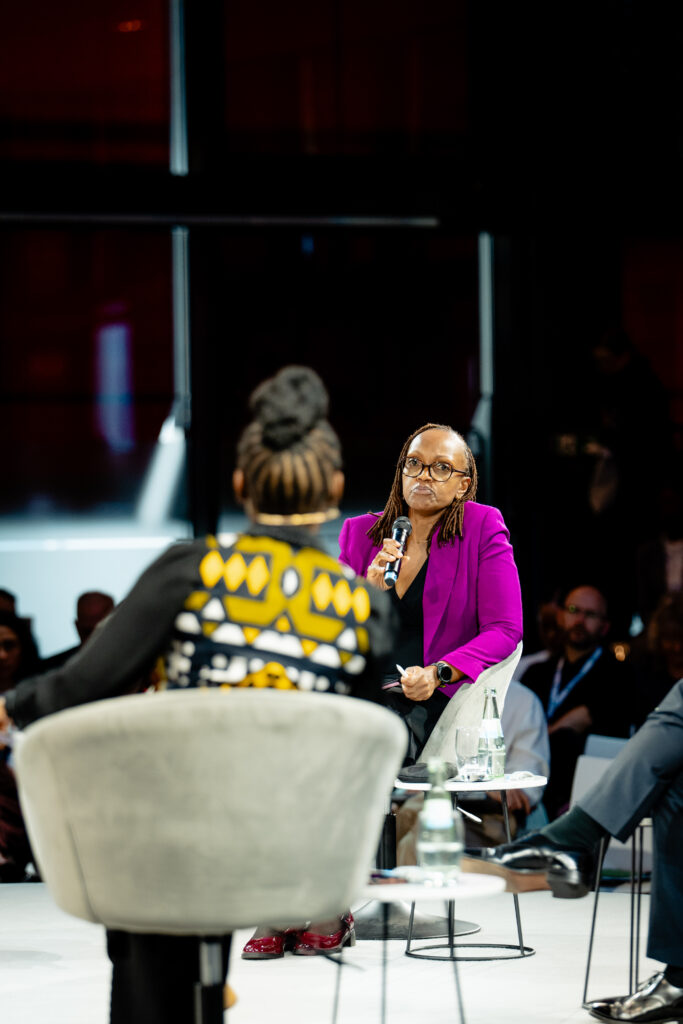
Evelyn Gitau, Chief Scientific Officer at the Science for Africa Foundation, explained that trust cannot be built only when an epidemic strikes. Communities may be asked to accept unfamiliar interventions during an emergency, even when their everyday healthcare needs have gone unmet for years.
“Trust is not a five-minute relationship… we need to think about what happens before an outbreak and after an outbreak to sustain the science that is intervening in these communities so that we don’t see what happened at the beginning of this Ebola outbreak again because then we’ll continue just seeing trust going down”
~ Evelyn Gitau
The conversation also raised questions about who benefits from health research. Panellists reflected on how the 2014–2016 Ebola outbreak accelerated international efforts to develop vaccines and treatments, even though promising vaccine candidates had existed for years. The outbreak exposed how slowly research can progress when there is insufficient investment before a crisis demands action. This points to a broader lesson: equitable access to vaccines and treatments must be considered from the outset, rather than after interventions have been developed.
Subscribe to Africa Health Watch
Get the latest health policy analysis and investigative journalism delivered straight to your inbox.
We respect your privacy. Unsubscribe at any time.