
Artificial intelligence (AI) is helping public health experts identify potential disease outbreaks faster, analyse complex medical data and explore possible treatments. But what happens when people fully rely on these tools without understanding the results they produce?
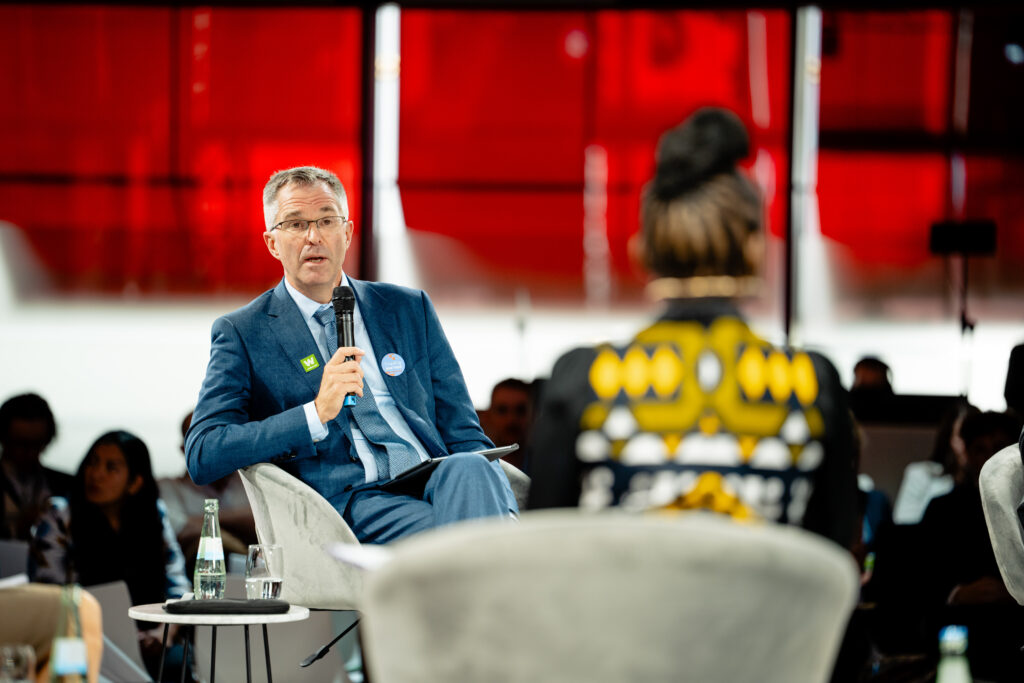
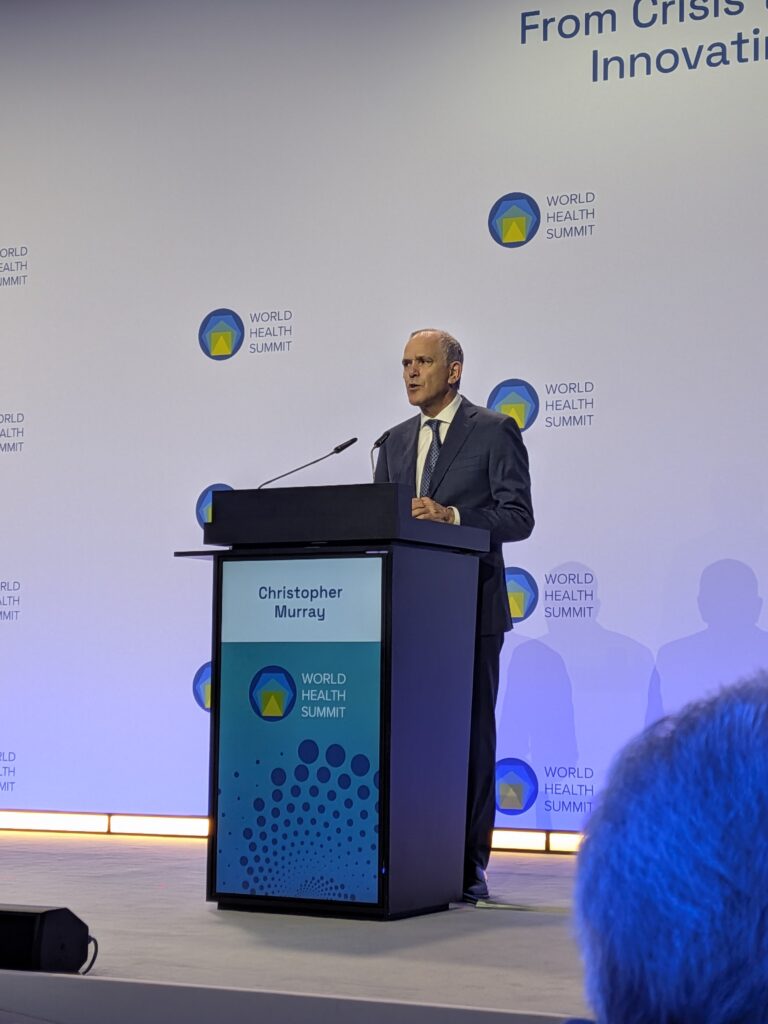
The risks of over-reliance on AI came up during the panel discussion titled ‘Leading Through Uncertainty: Preparing Future Public Health Leaders in an Uncertain World’ at the World Health Summit 2026 in Berlin.
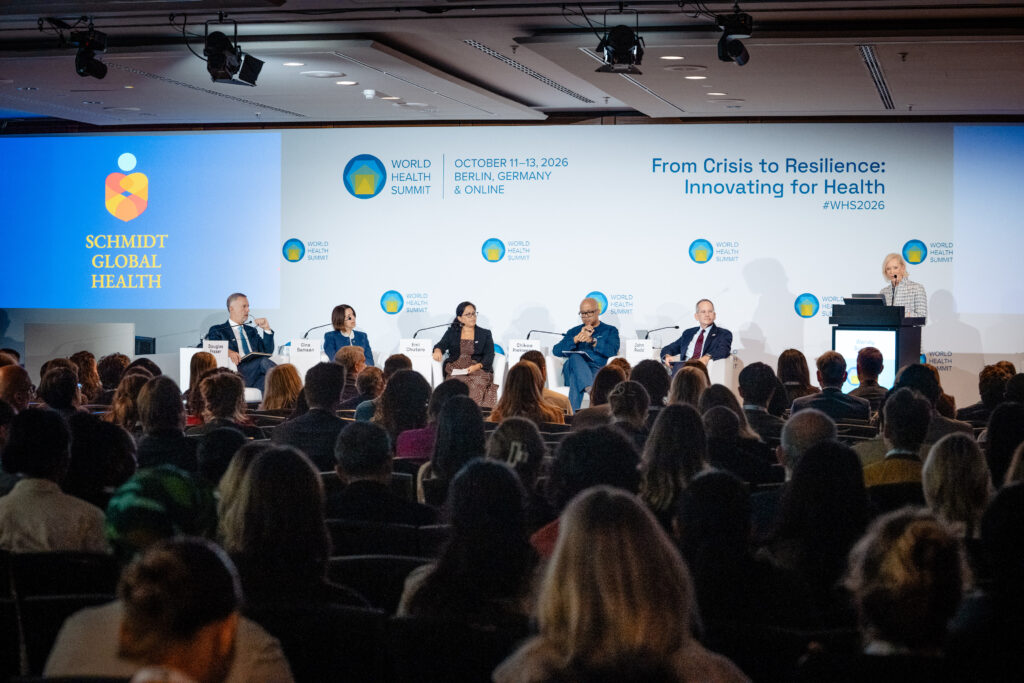
The discussion explored what public health leaders will need as threats become more complex and information moves faster.
Dr Chikwe Ihekweazu, executive director of the WHO Health Emergencies Programme, said technical knowledge alone would not be enough. Leaders need to understand the political and humanitarian contexts in which outbreaks occur, alongside the interpersonal skills required to work across different settings.
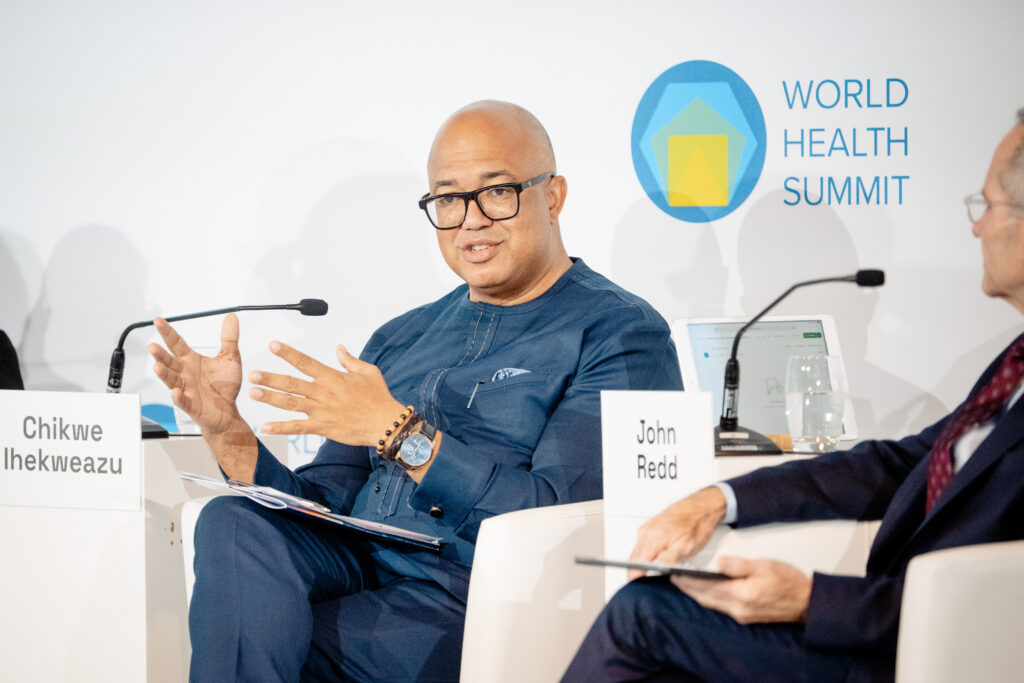
He emphasised the need to understand AI, pointing to WHO’s Epidemic Intelligence from Open Sources, which uses information from news reports and other publicly available sources to help identify potential public health threats.
Dr Douglas Fraser, a clinician scientist at Western University in Canada, shared an example from research into Long COVID. His team has been using computational pipelines to identify existing medicines that might help treat the condition. However, some drugs that appeared to match the biological pathways being studied could cause harm if researchers did not examine the direction of their effects.
Fraser explained that his team had learnt the importance of checking the information fed into the models, building safeguards into the process and carefully reviewing the results. A drug could appear to be a good match, but a closer examination could reveal that it might do more harm than good. This is where it’s essential for humans to make the final call.
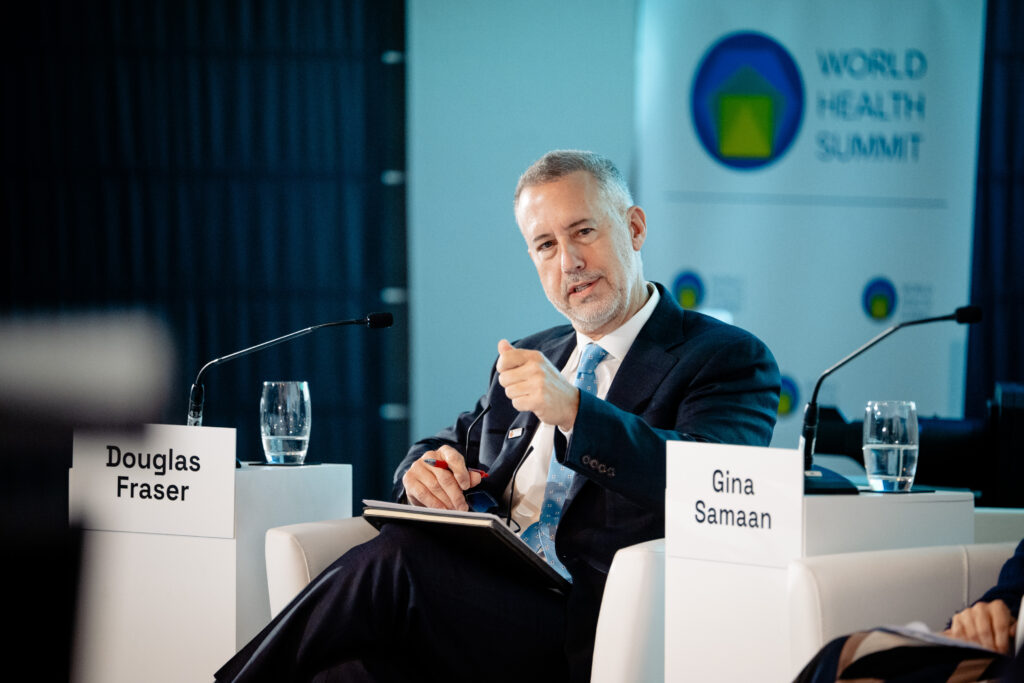
“So, there’s a certain degree of curation that has to happen on what goes in. There are some guardrails in the middle of the pipelines, and now we’ve developed the skills to see what’s coming out, and to flag when we see something that’s potentially not quite right, and then we literally start again.”
~ Dr Douglas Fraser
Fraser’s example shows why advances in technology need to be matched by the expertise and systems required to use it responsibly. The same applies to public health, where detecting a potential threat is only useful if health systems have the capacity to understand and respond to it.
This need to strengthen those systems is part of the thinking behind Schmidt Global Health, a nonprofit launched by Eric and Wendy Schmidt. The organisation builds on three years of work by the Schmidt Initiative for Long COVID, which brought together researchers, clinicians, epidemiologists and patients to share data, research and experiences related to the condition. Its work now extends beyond Long COVID to supporting the World Health Organization (WHO) in early threat detection, strengthening disease surveillance in the Pacific Islands and supporting work involving Sierra Leone’s Ebola database database, which preserves data from the 2014–2016 outbreak.
As AI becomes more integrated into public health, health leaders need to take advantage of what it can do without losing the expertise and judgement needed to act responsibly. Detecting a threat is only one part of the response. Knowing what the information means, whose circumstances it reflects and what to do next remains just as important.
Subscribe to Africa Health Watch
Get the latest health policy analysis and investigative journalism delivered straight to your inbox.
We respect your privacy. Unsubscribe at any time.