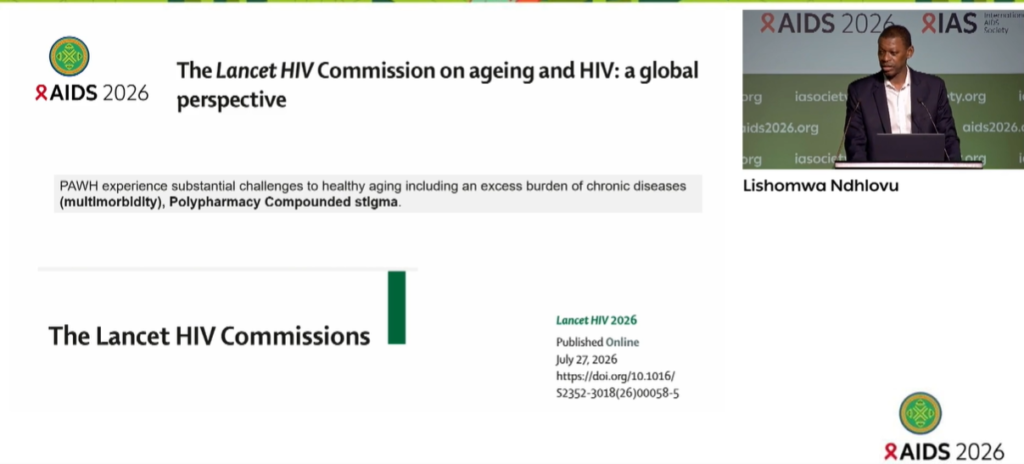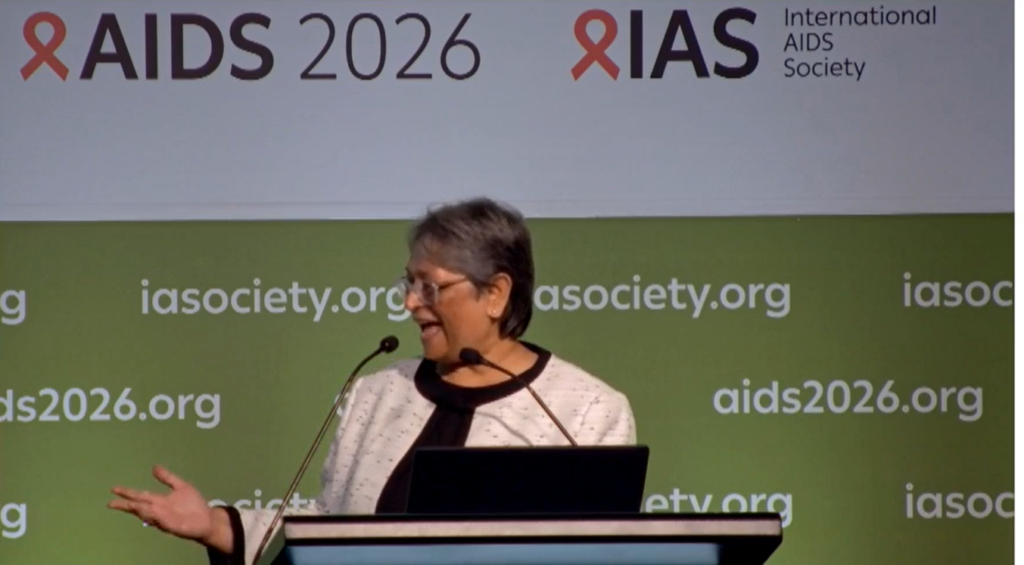

The first plenary session at the 26th International AIDS Conference in Rio de Janeiro opened with a promising glimpse of what the future of HIV treatment could look like. As global funding shifts, it is important to reimagine how the HIV response can sustain the gains made so far while continuing to drive innovation.
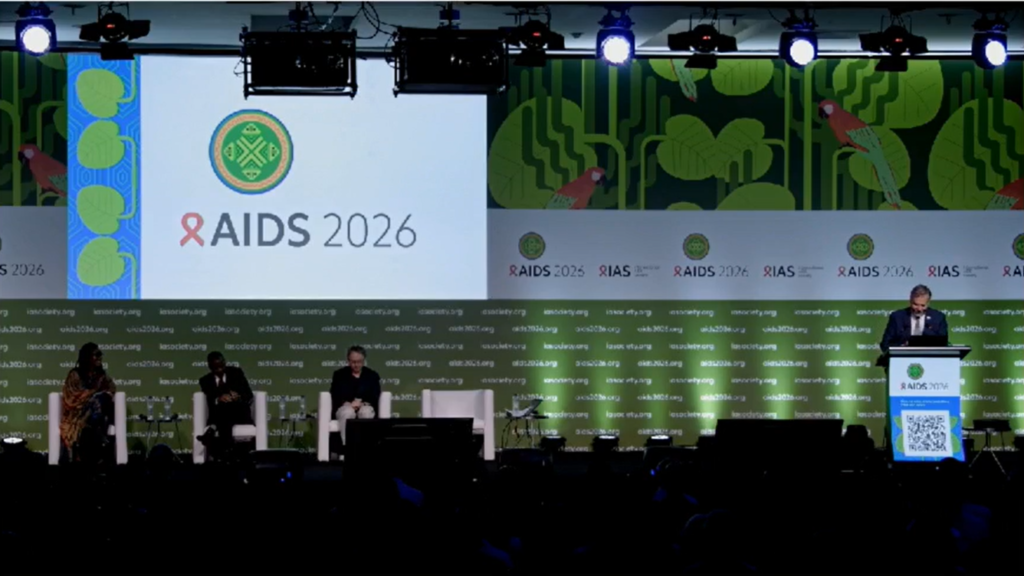
The plenary session titled “Rethink, Rebuild, Rise” challenged long held assumption about HIV prevention and treatment, financing, and the fight against stigma.
The first speaker, Michel Nussenzweig, a renowned immunologist and an investigator with the Howard Hughes Medical Institute (HHMI), spoke about broadly neutralising antibodies (bNAbs).
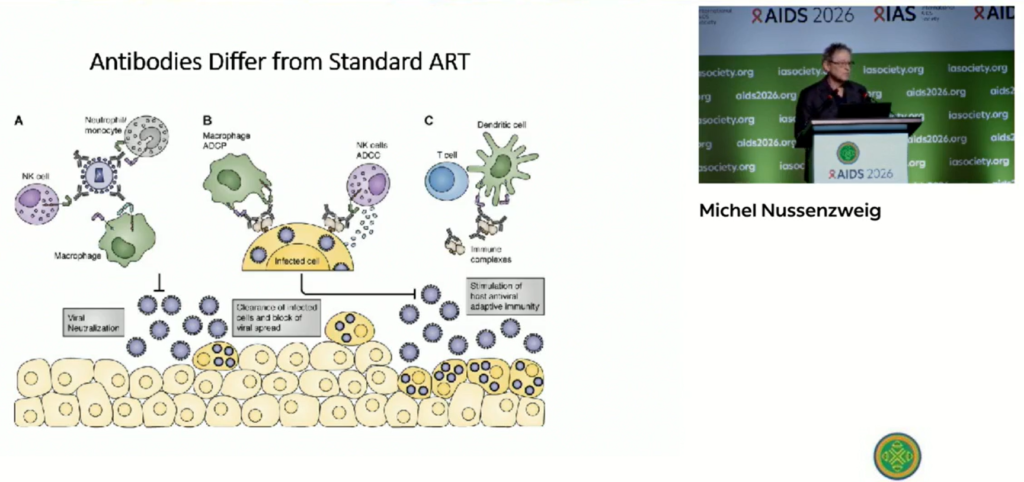
Nussenzweig’s analogy about the use of isolated antigens offered a glimpse of the possibility that a lasting HIV cure could one day be within reach. These antibodies 3BNC117 and 10-1074, isolated from people living with HIV with unusually strong immune responses to the virus, are among the most widely studied bNAb in HIV cure research and are exclusively licensed to Gilead Sciences by The Rockefeller University.
A key focus of the presentation was understanding how people can get vaccinated and induce the production of these types of antibodies.
At this defining moment in HIV response, it is clear that the next generation of scientists, community leaders, activists, and advocates need to imbibe the culture of working in solidarity.
From the promise of a cure, the discussion turned to a more immediate test of solidarity: whether HIV programs can survive the shift from donor funding to domestic government financing without losing the gains made over the past two decades.
Lloyd Mulenga, Director of Infectious Diseases at Zambia’s Ministry of Health, highlighted Zambia’s achievements despite the shock of the 2025 funding cuts. Instead of stepping back, Zambia adapted by harmonising its response, with most of its regions now supported through domestic financing.
Financing, however, only carries the response so far if stigma keeps people from seeking care. Wame Jallow Mosime of Shuga Global emphasised that storytelling is a mechanism for getting science to the people. While storytelling cannot replace a clinic, a health worker, or a counsellor, she argued that it can help address the stigma that continues to shape the lives of people living with HIV.
Her remarks focused on how culture, media, and behaviour influence the HIV response. “Stigma can be deadlier than the disease,” she warned.
“If HIV remains something people only whisper about, people may avoid testing, delay treatment, hide their diagnosis, and, most of all, remain silent.”
This statement indicated the urgent need to rethink, rebuild, and rise to a better tomorrow.
That urgency lands squarely on African countries, where the tools to end AIDS as a public health threat already exist, it is important to sustain and advance the innovations that have protected the gains of the HIV response, especially as countries navigate shrinking external funding and work towards the 2030 goal of ending AIDS as a public health threat.
Subscribe to Africa Health Watch
Get the latest health policy analysis and investigative journalism delivered straight to your inbox.
We respect your privacy. Unsubscribe at any time.