
The 26th International AIDS Conference closed in Rio de Janeiro, Brazil, after six days of high-level sessions, plenaries, keynote addresses, and activism, with a single, urgent takeaway: the world already has the science to end HIV; what it still lacks is the collective will to use it.
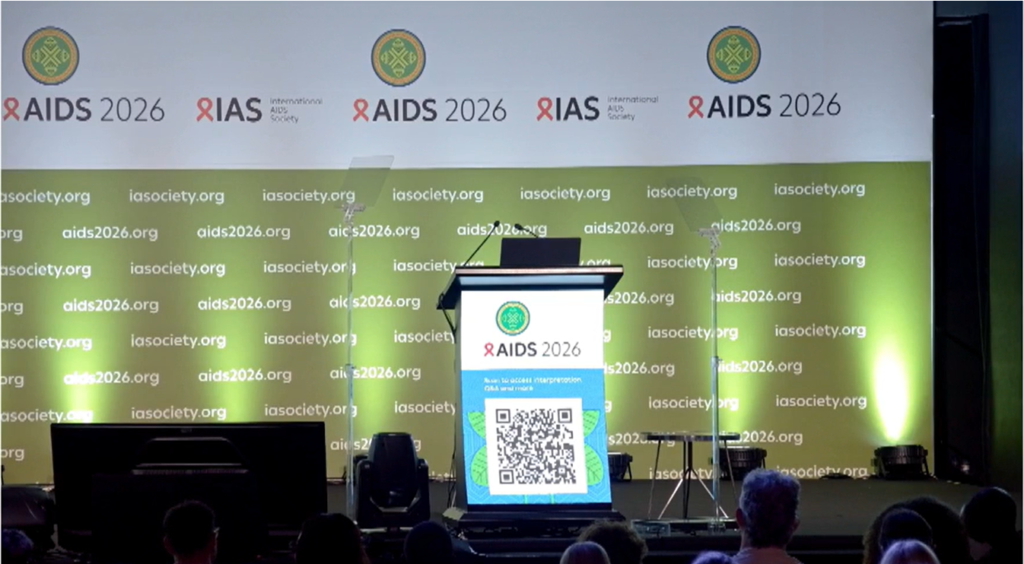
At the closing session, Draurio Barreira, local Co-Chair of the International AIDS Society (IAS), set the tone with a call, “The gaps in HIV response have not closed this week; they will only close when ministries, parliaments, and funders decide to close them.” He reaffirmed the importance of confronting shared challenges and following science. He drew attention to the advances in HIV treatment and the impact of funding cuts and geopolitical shifts. “The data shared here this week give us reasons for genuine optimism,” he said, emphasising the importance of community-led responses, robust public systems, and political will in addressing HIV.
Claudia Cortes, IAS regional Co-Chair, continued by saying, “We are closer than ever to ending AIDS as a public health threat.” She emphasised that the final distance requires not only innovation, medicine, or global targets, but also solidarity, political courage, and local action.
Cortes urged young people to step into leadership roles and challenge institutions with demands for accessibility, inclusion, and equity. “Young people are not only the future of the HIV response, but already part of the present.”
Reflecting on the week’s events, Beatriz Grinsztejn, IAS Immediate Past President, noted that science and community-led program advances offer an opportunity to rebuild and rethink the HIV response, weighed against both new and longstanding challenges that threaten gains in HIV treatment and prevention. “The era of our donor-driven HIV priorities is over,” she said “not just because many donors are retreating, but because countries and communities know best what works for their own people. This shift can succeed, but only if civic space is protected.”
The conversation then shifted to a call for collective action against the exclusion of communities from decision-making and the backlash against evidence and human rights-based work. Grinsztejn emphasised that solidarity between countries and communities remains the most important value that has brought people together.
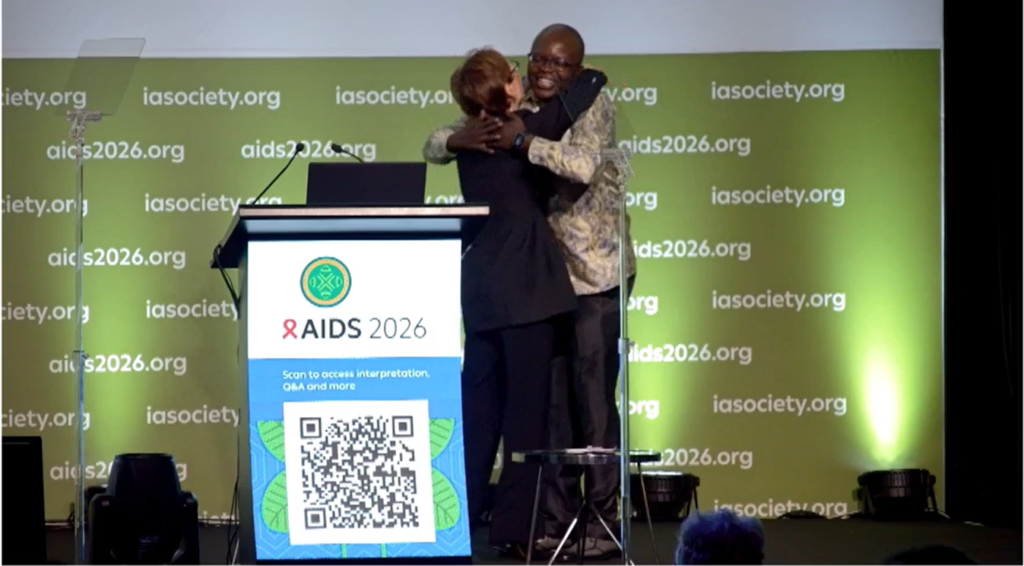
In his inaugural address, IAS President elect, Kenneth Ngureh had a clear message. “The greatest achievements are never accomplished alone. Progress comes when we work together in pursuit of a common purpose,” he said, drawing attention to the significance of humanity’s interconnectedness in solidarity.
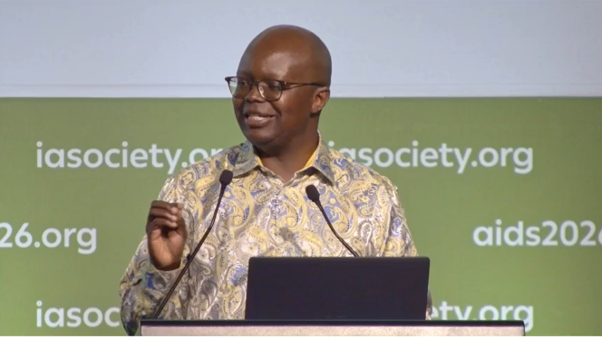
“Today, long-acting prevention advances, treatment advances, and digital innovation are redefining what is possible. Yet, millions of people still cannot benefit from these advances.”
~Kenneth Ngureh
For Ngureh, success in the HIV response is measured not by discoveries, but by lives that are changed. He stressed the urgency of investing in the next generation, calling on young researchers, clinicians, communities, and advocates to pick up the baton and never remain silent, because the next scientific breakthrough or transformative community program may emerge from any of them.
As the lights dimmed on AIDS 2026, a clear takeaway is that solidarity is not a sentiment but a strategic tool that the HIV response cannot do without.
Subscribe to Africa Health Watch
Get the latest health policy analysis and investigative journalism delivered straight to your inbox.
We respect your privacy. Unsubscribe at any time.