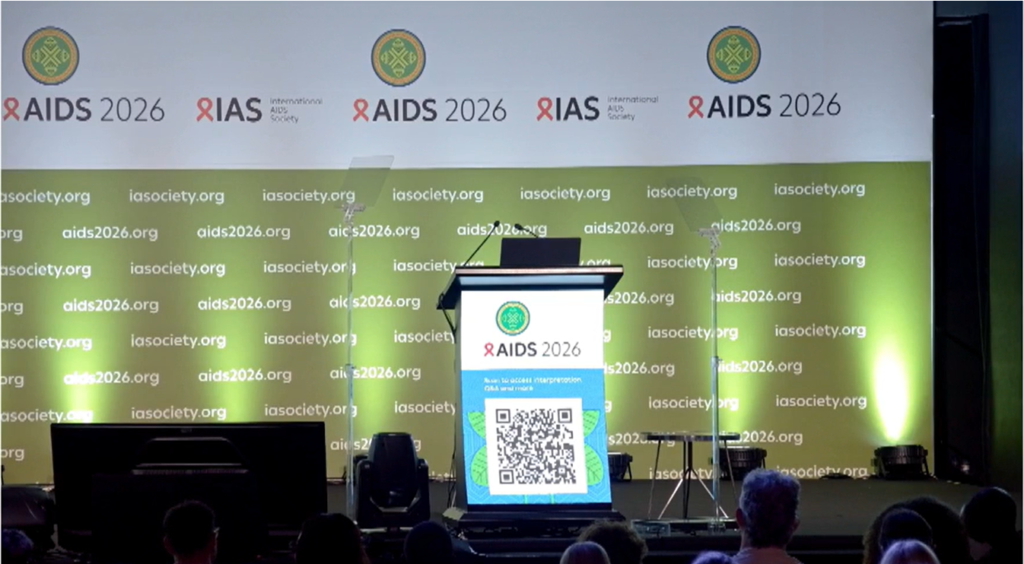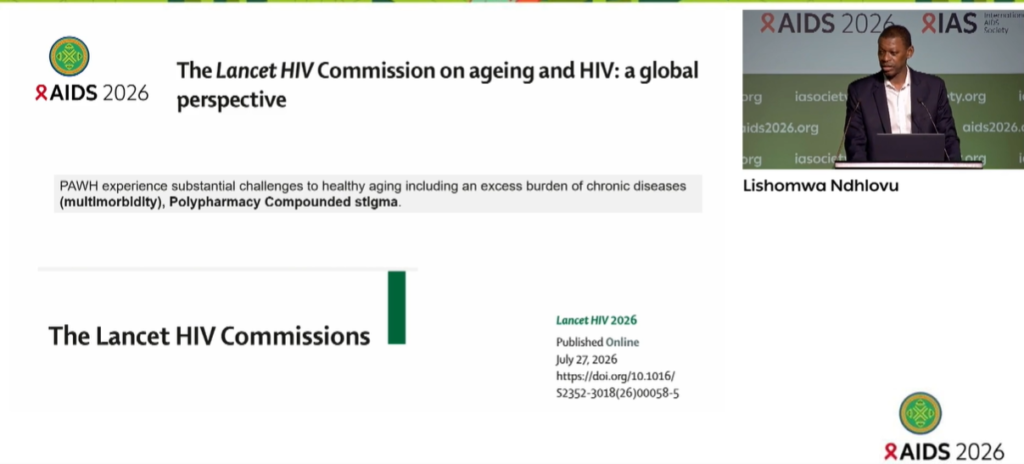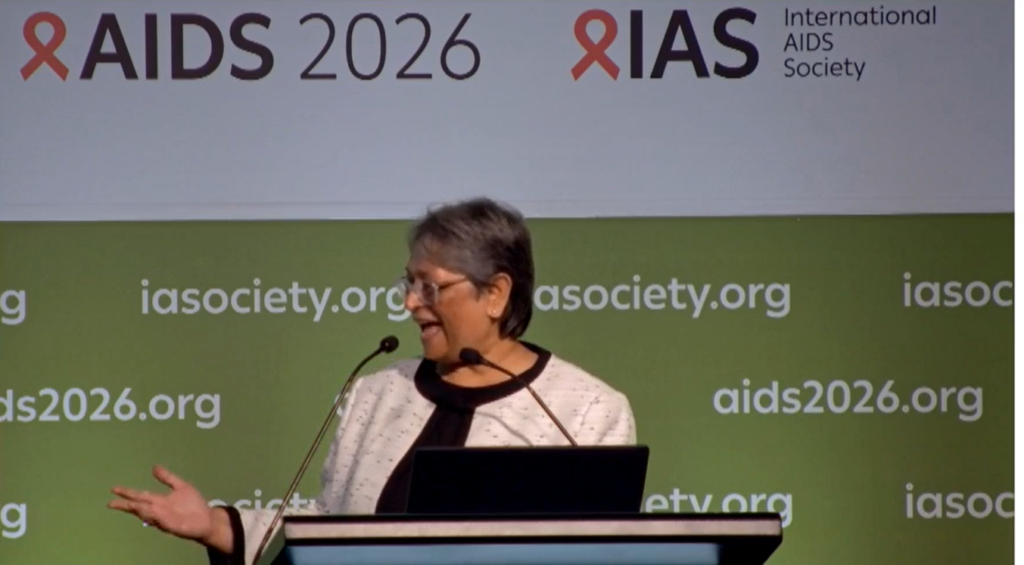

The 26th International AIDS Conference, taking place from 26 to 31 July in Rio de Janeiro, Brazil, brings together governments, scientists, health agencies and communities around a shared goal: ending AIDS as a public health threat by 2030. Under the theme: Rethink, Rebuild, Rise, the conference is looking beyond scientific progress to an important question: can the world sustain the financing and political commitment needed to protect hard-won gains, particularly in countries carrying the heaviest HIV burden?
In Africa, where countries continue to carry a disproportionate share of the global HIV burden, the stakes are high, with millions of lives at risk.
At AIDS 2026 opening ceremony, speakers warned that funding disruptions could threaten decades of progress built through scientific advances, community activism and international solidarity.
Dr. Beatriz Grinsztejn, President of the International AIDS Society and international co-chair of the conference, highlighted how far HIV response has come. Over the past 15 years, treatment has evolved from complex, multi-pill regimens to daily tablets and long-acting options, while new prevention tools have expanded what is possible in the fight against HIV. She however noted that we must rethink how we deliver what science has made possible.
“Almost 9 million people still do not have access to life-saving HIV treatment”, she said, pointing to political choices, financing failures, stigma and discrimination as barriers that science alone cannot overcome. “The gap persists in countries that carry the highest burden of HIV. While they are being pressured to fund their HIV responses, they are servicing a mountain of debt…many of the most HIV affected countries spend more on debt payments than on health”
For Grinsztejn, closing this gap will require a sustainable global response that includes debt restructuring and a stronger commitment to health as a fundamental human right.
Winnie Byanyima, Executive Director of UNAIDS, in her opening remark, said that HIV response as it is today, must be rebuilt. She warned that decades of progress are under threat as international HIV financing fell by more than $1.5 billion in 2025. “While domestic investment is growing,” she said, “it cannot replace external financing that has been cut overnight.” Byanyima called for immediate debt restructuring, a fairer global financial system and greater domestic investment in health.
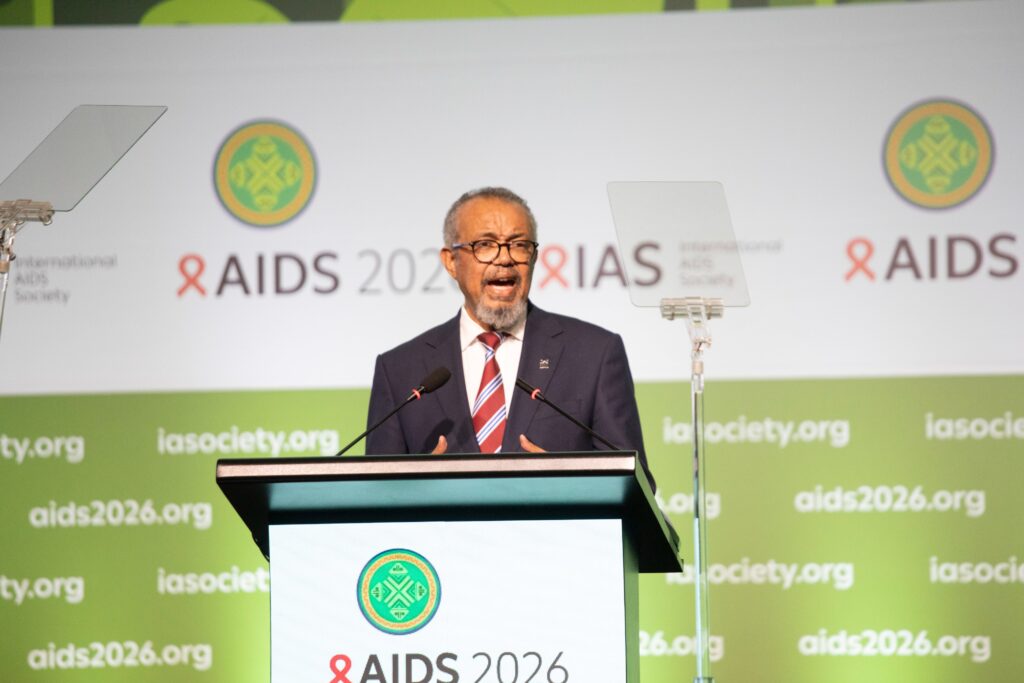
Dr Tedros Adhanom Ghebreyesus, Director-General of the World Health Organization, shifted the focus to what must happen next. He announced new WHO HIV surveillance guidance to help countries strengthen routine surveillance and use their own data to drive public health action, alongside consolidated HIV service delivery guidelines aimed at making treatment and long-term care simpler, more integrated, equitable and people centred.
“My ask for everyone in this room and beyond this room is simple. First, fund the response domestically and internationally. Second, defend the community-led organisations that reach the people no one else can reach, and third, repeal the laws that criminalise people for who they are or what they need to survive, and fourth, refuse to treat this as a finished fight. It’s not finished. Progress is real, but it’s fragile, and fragile things need attention.”
~Dr Tedros Adhanom Ghebreyesus.
The tools to fight HIV are already within reach. What remains is the political will and collective commitment to make them accessible to everyone who needs them.
Subscribe to Africa Health Watch
Get the latest health policy analysis and investigative journalism delivered straight to your inbox.
We respect your privacy. Unsubscribe at any time.