
Ebola virus disease is among the world’s deadliest infectious diseases, with case fatality rates that can exceed 50% depending on the virus species. Since its discovery, multiple outbreaks across Africa have exposed gaps in surveillance, emergency response and community engagement. Across Africa, efforts to strengthen preparedness are increasingly focused on equipping local organisations with the knowledge, resources and financing needed to respond rapidly when outbreaks occur.
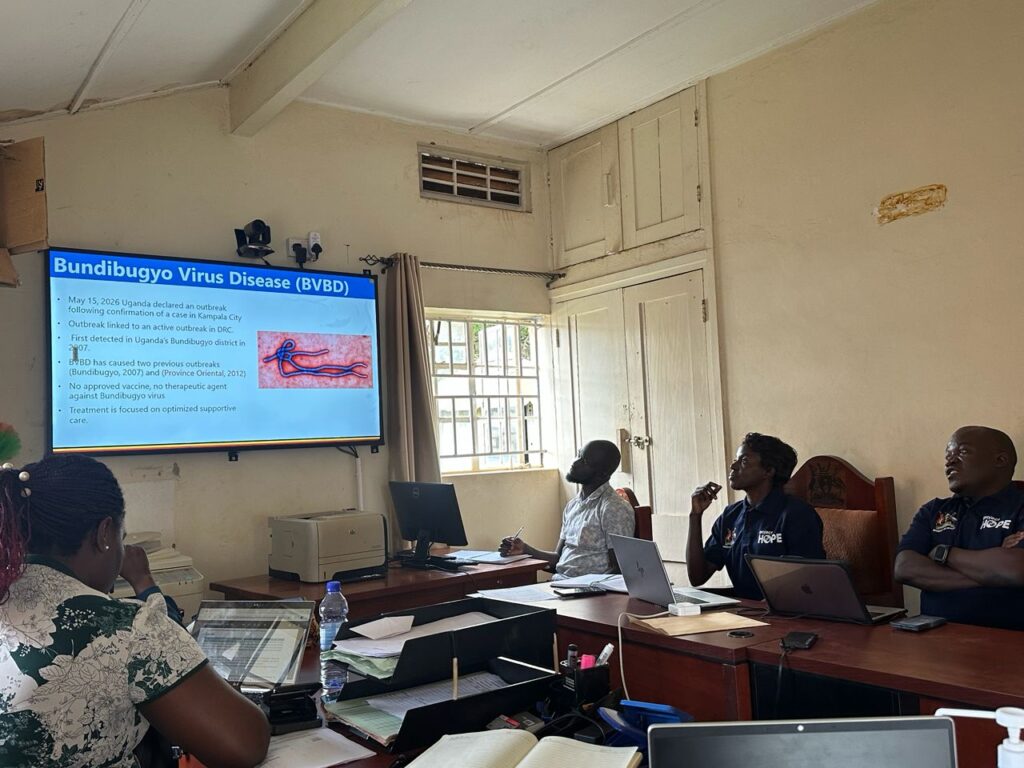
The outbreak centred in the Democratic Republic of Congo (DRC) and caused by the Bundibugyo strain of the virus, is particularly concerning because, unlike the Zaire species of Ebola, there is currently no approved vaccine or specific medical countermeasure. Combined with the ongoing humanitarian crisis in the DRC and cross-border transmission into Uganda, the outbreak highlights the persistent vulnerabilities that continue to challenge outbreak preparedness and response, prompting the World Health Organization (WHO) to declare a Public Health Emergency of International Concern (PHEIC) in May 2026. WHO has since urged countries to strengthen surveillance, laboratory capacity, emergency coordination, infection prevention and community engagement, while expanding access to new diagnostic tools.
The resurgence of the Ebola has raised an important question: after decades of battling recurrent outbreaks, are African countries better prepared for the next health emergency than they were for the last?
Experts have consistently emphasised the importance of investing long before an outbreak occurs, underscoring the need for a shift from reactive emergency responses towards strengthening surveillance systems, training frontline responders and building the capacity of local institutions to lead outbreak preparedness and response.
One initiative seeking to put this approach into practice is the Africa Regional Emergency Response Network (ARERN), established by Project HOPE, with support from MSD, known as Merck & Co. in the United States and Canada. The network brings together local organisations across 13 African countries to strengthen emergency preparedness through capacity building, technical training, peer-to-peer learning and rapid access to emergency funding.
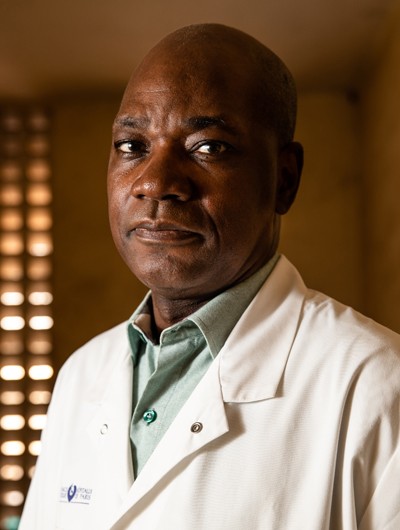
In an interview with Africa Health Watch, Arlan Fuller, Project HOPE’s Director of Emergency Preparedness and Response, explained that ARERN was established in recognition of the increasingly critical role local actors play in enabling countries to respond quickly and effectively when outbreaks occur.
Rather than following a top-down approach, ARERN enables participating organisations to identify and shape training priorities based on their needs, with many technical sessions led by members who share their expertise. The model also promotes peer learning, allowing organisations to draw directly on one another’s experiences in responding to health emergencies.
Fuller explained that beyond training, the network provides members with access to a rapid response drawdown fund, a financing mechanism that enables local organisations to respond immediately to emergencies without waiting for traditional donor support. The fund has already supported responses to floods, cholera outbreaks and displacement crises, and is now supporting the current Ebola response through local procurement in the DRC and preparedness activities in Uganda.
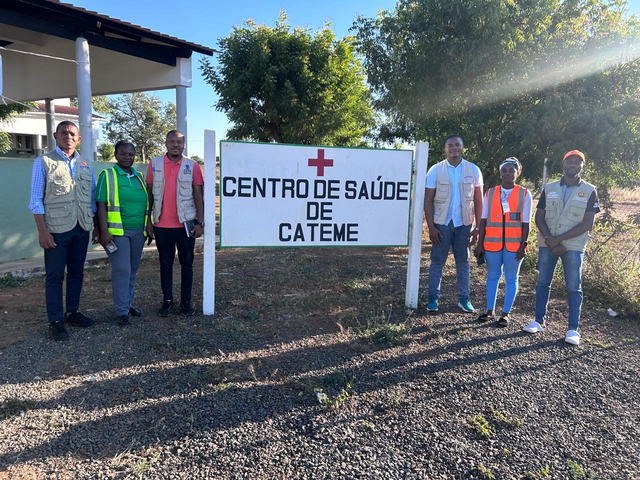
In the DRC, Project HOPE is working with its local partner, the Africa Initiative for Relief and Development (AIRD), to procure and distribute personal protective equipment (PPE) and infection prevention and control (IPC) supplies to frontline health facilities. These include protective suits, gloves, face masks, goggles and other essential materials needed to protect health workers caring for Ebola patients.
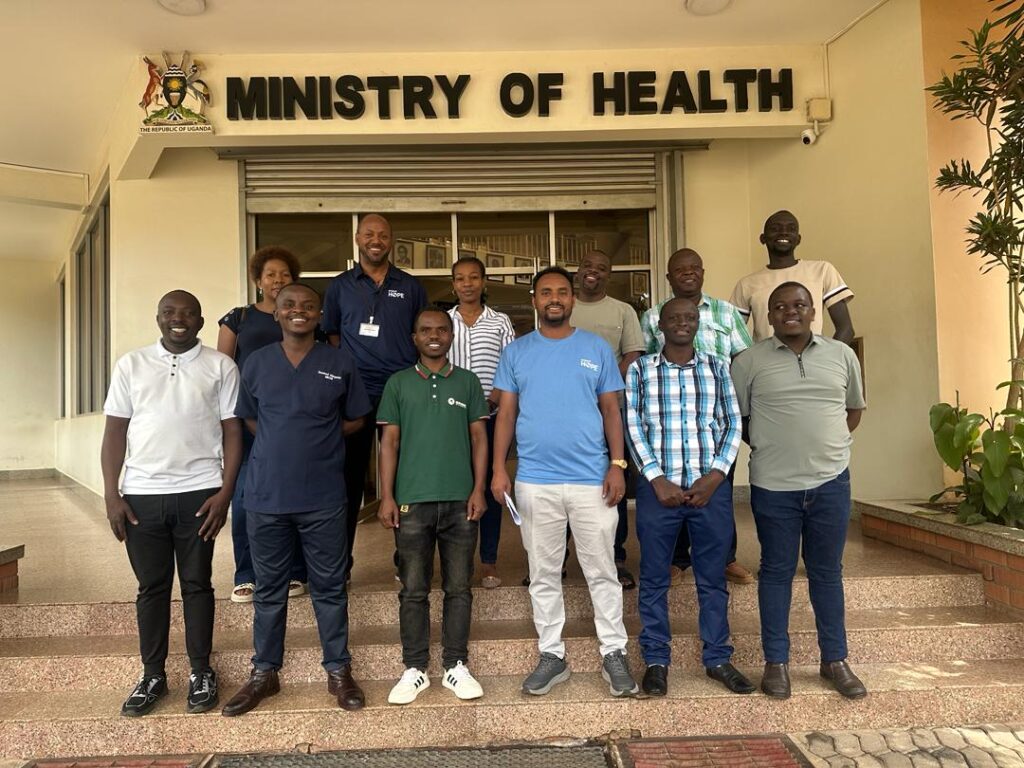
While Project HOPE’s work in the DRC is centred on the procurement and distribution of essential supplies, its activities in Uganda focus on surveillance and contact tracing. Working alongside the Ugandan Ministry of Health, the organisation is helping to strengthen efforts to detect new cases quickly and interrupt transmission. Fuller explained that Project HOPE is supporting government contact tracing teams in monitoring hundreds of identified contacts throughout the virus’s 21-day incubation period, while also strengthening surveillance capacity in districts considered at the highest risk of cross-border transmission.
“We have been working with the Ministry of Health and the contact tracer team…supporting their contact tracers to reach out to about 600 to 700 case contacts…. whether they are high-risk individuals in isolation or lower-risk individuals in home quarantine, we’ve been checking on each of them throughout the 21-day monitoring period” he said.
Beyond providing rapid funding, Fuller said one of the programme’s most important lessons has been the value of placing local organisations at the centre of emergency response. While international organisations often bring technical expertise and resources, local organisations know the communities they serve, understand local realities and have the trusted relationships needed to deliver health interventions effectively. This aligns with WHO’s localisation strategy, which recognises that community trust and local leadership are essential to emergency preparedness and response.
Despite the advantages of locally led partnerships, Fuller acknowledged that responding in countries where Project HOPE does not have an established presence comes with challenges.
“There is a very large learning curve, understanding who the key actors are, understanding the geography and being able to establish the supply chain outcomes are really the areas where we need to move fast, but we’ve done this enough to know the right questions to ask and pull together an effective plan in a very short period of time”. ~ Arlan Fuller
Countries such as the DRC and Uganda have responded to multiple Ebola outbreaks and have built significant experience over the years. However, the current outbreak shows that preparedness is still uneven. Conflict, cross-border movement and gaps in implementation continue to make it harder to detect, contain and respond rapidly to outbreaks.
Why This Matters
The African region has repeatedly responded to outbreaks of Ebola, cholera, Marburg and other infectious diseases, but each outbreak continues to underscore the importance of strong, locally led systems.
As the international funding landscape becomes less predictable, the ability of local organisations to work alongside governments, detect outbreaks early and respond quickly will play an increasingly important role in protecting lives. Strengthening local leadership is therefore essential to improving emergency response and building Africa’s long-term health security.
Subscribe to Africa Health Watch
Get the latest health policy analysis and investigative journalism delivered straight to your inbox.
We respect your privacy. Unsubscribe at any time.