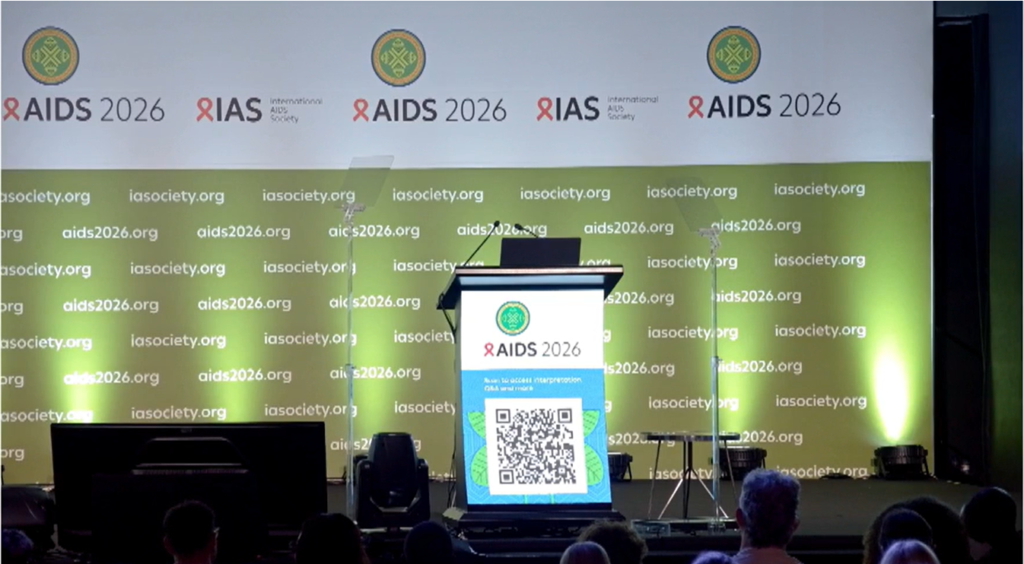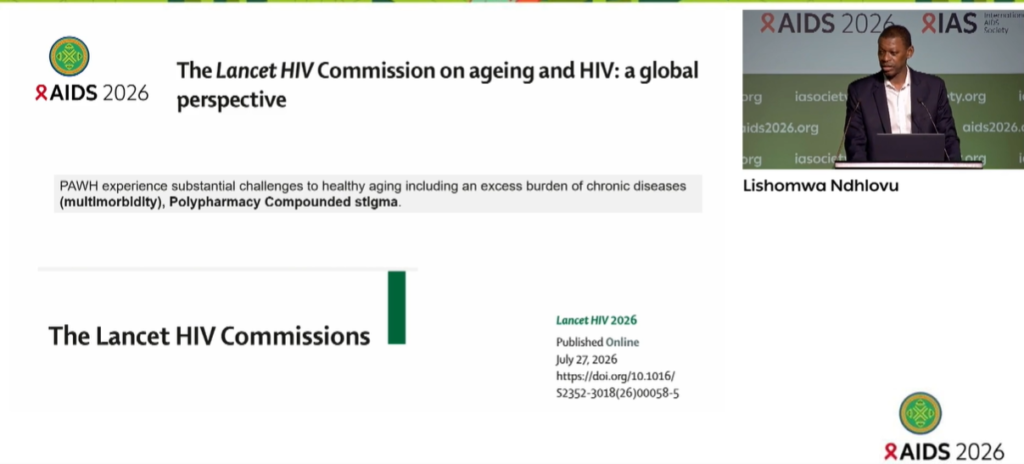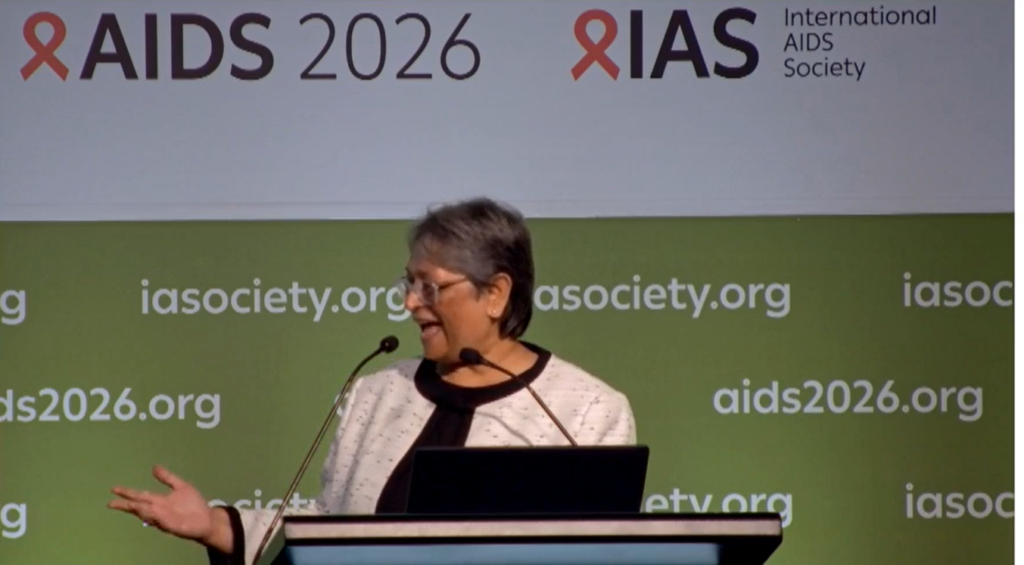

A journalist-led panel titled Rebuilding Global Health: HIV Reporting in a Brave New World at the International AIDS Conference in Rio de Janeiro brought together reporters, broadcasters, advocates and a researcher to reflect on how HIV journalism has changed since the cuts to USAID, PEPFAR, NIH and CDC programmes.
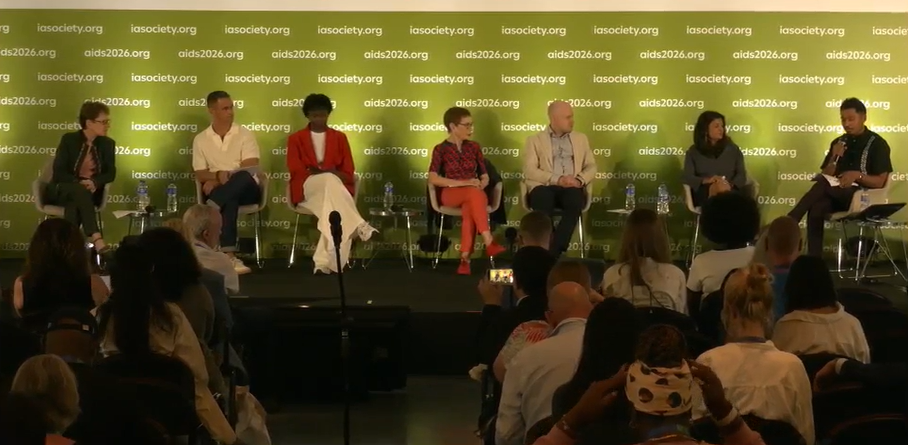
Much of the conversation centred on what changes in the funding landscape mean for journalists trying to understand and report on the HIV response. As programmes are disrupted and health systems come under pressure, the data needed to track what is happening on the ground is also becoming harder to access.
The panel raised four areas where journalists should be asking harder questions over the coming year.
One is the push to integrate HIV services into primary care as health systems face a growing burden of non-communicable diseases (NCDs). David Cox, a health journalist and one of the panelists, cautioned that integration is too broad a topic to stand on its own. A stronger story, he suggested, is finding a specific place where HIV and NCDs are both a major concern and seeing what integration looks like there.
Beatriz Grinsztejn, Immediate Past President of the International AIDS Society, was more sceptical about how integration is being discussed. Even in Brazil, where HIV testing, treatment and prevention are widely available, Grinsztejn noted that people still arrive at health services with advanced HIV disease. Stigma and discrimination, she said, continue to keep people from benefiting from services that are available. For her, the discussion around integration has not paid enough attention to whether people can access and benefit from the care being offered.
The panel also turned to the promise of long-acting HIV prevention, and whether price will determine who benefits from it. Grinsztejn pointed to Brazil, where long-acting injectable PrEP is being considered for inclusion in the public health system. She said the proposed price for cabotegravir was beginning to look more reasonable but warned that the people who need long-acting prevention are often those with the least power to demand access, particularly young, Black people and those with less schooling.
On the issue of data, Grinsztejn described the loss of surveillance systems as one of the most troubling consequences of the funding cuts, because when databases are defunded, it becomes harder to see the full extent of the problem. Apoorva Mandavilli, Global Health Reporter at The New York Times, said this uncertainty is also affecting how she reports on HIV, and she is increasingly cautious about using new figures.
“If I can’t be sure that the information being delivered is accurate or based on complete information, maybe that’s not something to cover.”
~ Apoorva Mandavilli
Kenyan Journalist and Content Creator, Aidah Munzatsi, pointed to another gap; coverage of financing barely centres the people it affects. After reviewing 15 to 20 mainstream stories on US-Africa health financing agreements, she found that most focused on the money involved rather than what it meant for people living with HIV. Munzatsi attributed the gap partly to the realities of local newsrooms: too few health reporters, limited budgets and a tendency to rely on straight news reports rather than deeper, people-centred stories.
The discussion left journalists with a different set of questions. What does HIV integration look like in a real clinic? Who will be able to afford the next generation of prevention tools? And what do funding agreements mean for people living with HIV?
For journalists, finding those stories may be one of the most important ways to keep the HIV response visible as the landscape around it changes.
Subscribe to Africa Health Watch
Get the latest health policy analysis and investigative journalism delivered straight to your inbox.
We respect your privacy. Unsubscribe at any time.